Breadfast
About
Cairo-based e-grocery and delivery platform that evolved from a bread delivery service into a broader digital commerce app offering groceries, ready-to-eat meals, medicinal products and digital payment solutions.
Founders
Recent News
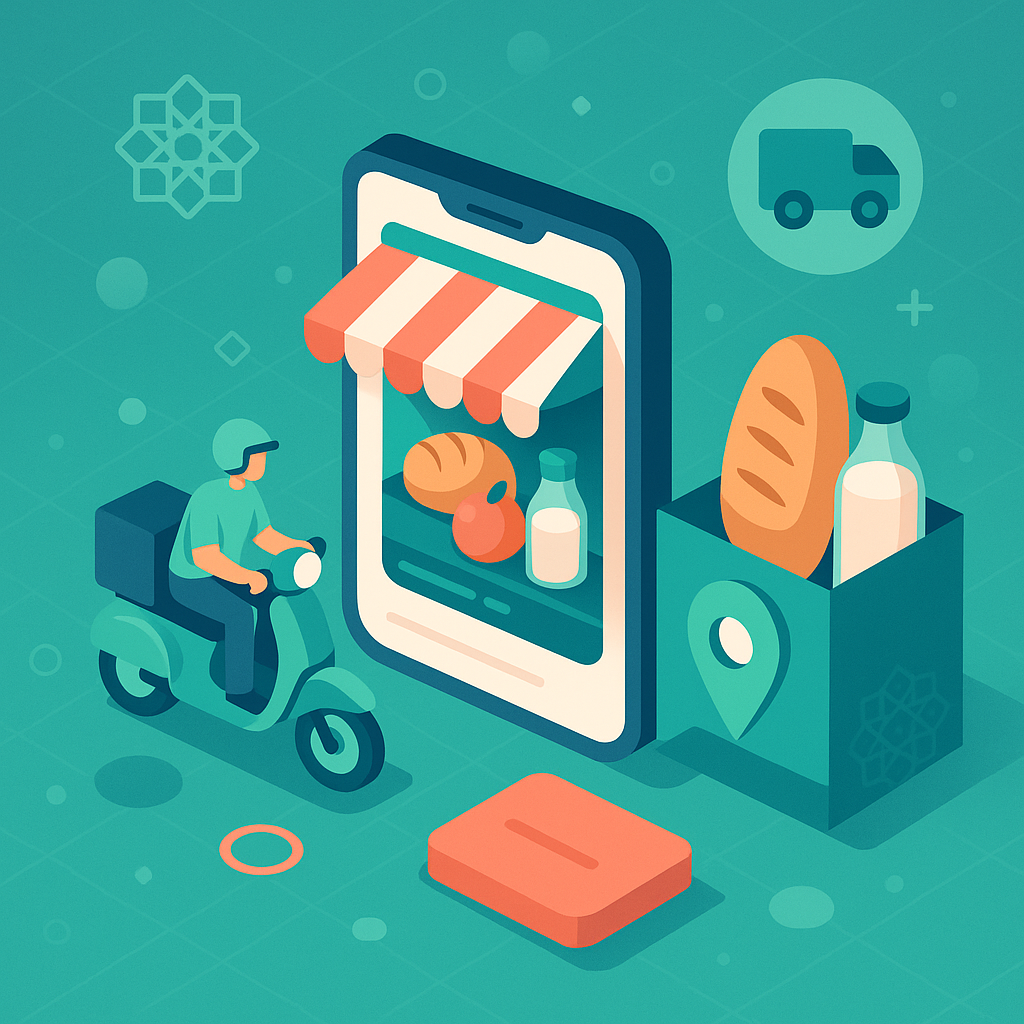
Egypt’s Breadfast adds food delivery services to its everyday convenience platform
Egyptian e‑commerce startup Breadfast has launched Breadfast Food, a restaurant discovery and delivery service within its everyday convenience app after a successful beta and a US$50M pre‑Series C funding round. The move leverages its tech, logistics and supply‑chain capabilities to broaden services and expand across Egypt.
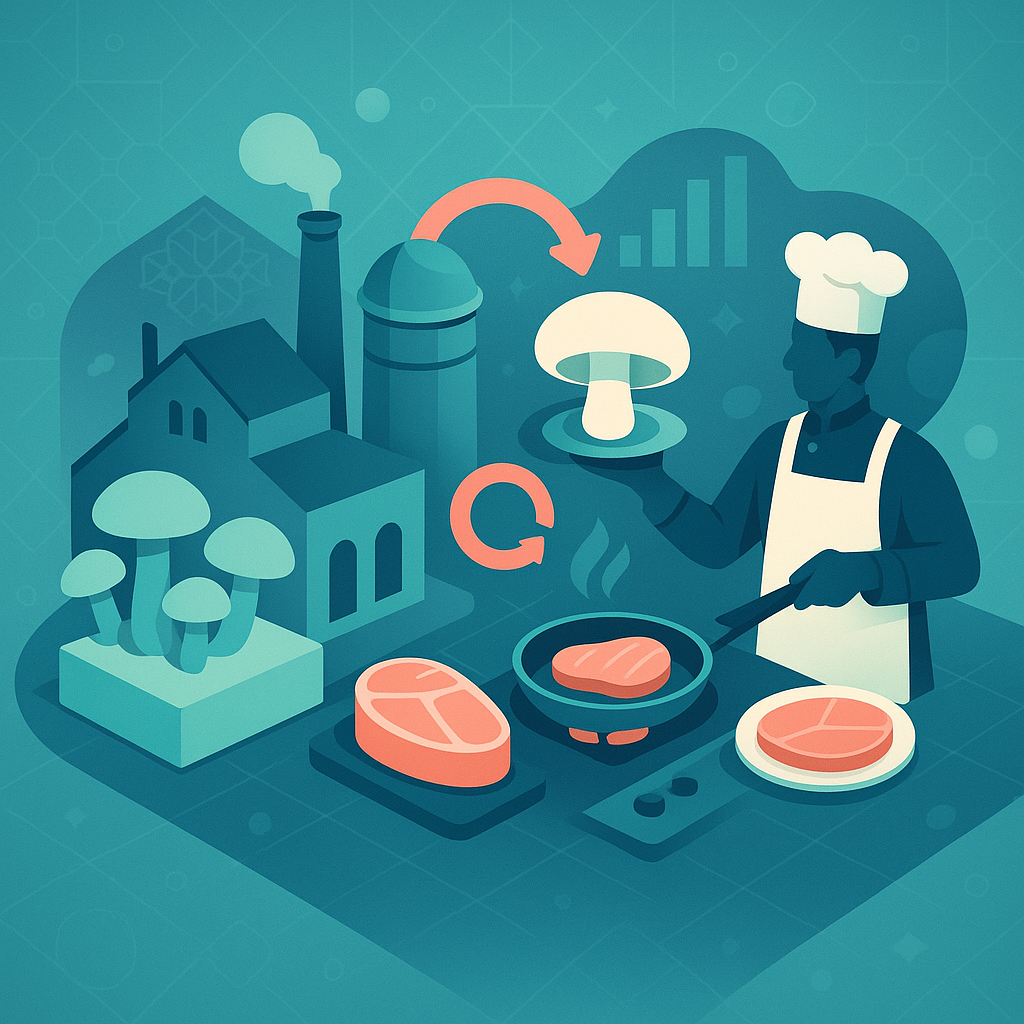
Fungus Grown in Old Brewery Now Matches Beef Price; Sustainable Meat Reaches Chef Kitchens
Berlin-based Nosh.bio has reached price parity with beef by producing koji mycelium in a converted Dresden brewery, while Oatly launched ready-to-drink products in Egypt via quick-commerce platform Breadfast, which recently raised $50M pre-Series C.

Startups in Egypt News
August 2026 overview of Egypt's startup ecosystem highlights 706 active startups, sector concentration in fintech, healthtech and proptech, and practical advice for founders to prove demand, collect cash fast and protect unit economics.

Egypt’s Breadfast Secures $50 Million Pre-Series C Funding to Drive Expansion Across Africa
Egypt’s Breadfast raised $50 million in a pre-Series C round led by Mubadala to fund logistics, infrastructure and entry into North and West Africa ahead of a full Series C expected in early 2026. The Cairo-based quick-commerce grocery startup, founded in 2017, relies heavily on private-label products and vertical integration to control margins.