UAE-Germany relations: An economic and trade partnership pivoting toward technology and the new economy
The UAE–Germany economic partnership is shifting toward technology, AI, and clean energy, with rising trade, services flows and investment driven by collaboration in advanced manufacturing, digital infrastructure and climate tech.
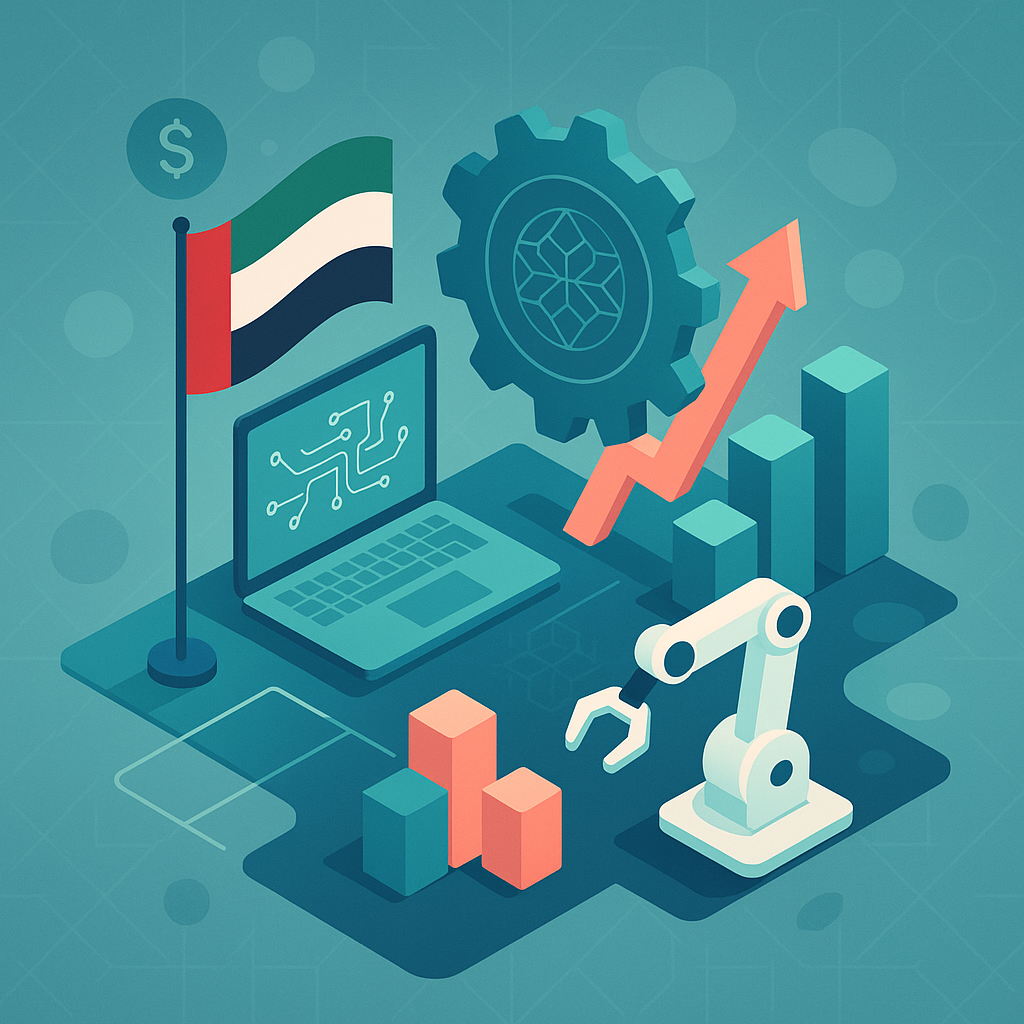
The UAE and Germany have deepened an economic partnership that is shifting decisively toward technology, artificial intelligence and clean energy, underpinned by rapidly rising trade and investment flows. Total non-oil bilateral trade in goods reached USD 15.56 billion in 2025, up from USD 13.59 billion in 2024, while German trade data show exports to the UAE rose to EUR 11.39 billion in 2025 and German imports from the UAE were approximately EUR 1.87 billion the same year, producing roughly EUR 13.26 billion in merchandise trade.
"Sustainable growth is built on innovation and diversification rather than short-term gains," wrote Abdulla Rasheed, reflecting the tenor of the evolving relationship as leaders move to translate high-level political vision into measurable economic outcomes.
The strategic driver behind the shift is structural complementarity: Germany’s industrial and R&D strengths align with the UAE’s investment capital, modern infrastructure and strategic geographic position bridging Asia, Europe and Africa. The agenda has broadened beyond goods to services and technology. German services exports to the UAE reached EUR 2.97 billion in 2025, while services imports from the UAE were valued at EUR 4.37 billion, highlighting growing flows in professional services, consulting and high-value sectors.
Investment trends show a maturing bilateral relationship. German foreign direct investment (FDI) stock in the UAE stood at EUR 4.06 billion in 2024; UAE FDI stock in Germany was EUR 2.08 billion in the same period. Policymakers in the UAE aim to accelerate this trajectory under the National Investment Strategy 2031, which targets doubling FDI inflows between 2025 and 2031 and expanding total FDI stock to drive economic transformation.
Quantitative indicators point to deeper commercial integration and people-to-people links:
- EUR 13.5 billion: reported total non-oil trade value between the UAE and Germany in 2025 (another reported figure for 2025 trade value), reflecting double-digit growth year-on-year.
- 7,684: number of German companies operating in the UAE, a 35% increase in 2025 compared with 2024.
- 20,842: registered German trademarks in the UAE as of late May 2026.
- >50%: surge in German imports from the UAE, with more than 2,000 German companies using the UAE as their regional headquarters.
- >800,000: German visitor arrivals across UAE ports of entry in 2025.
- 102: weekly scheduled flights between the two countries as of August 2026.
The partnership has pivoted to future-facing sectors: clean energy (including hydrogen), advanced manufacturing, digital infrastructure, logistics, precision industrial technologies and AI. The UAE’s role as a reliable energy supplier is paired with a bilateral push toward renewable energy and climate technologies intended to balance immediate supply security with long-term sustainability goals.
Technology-focused engagement has already shown visible momentum. Events such as the UAE’s participation at GITEX Europe 2025 in Berlin underscored a strategic acceleration toward the new economy, presenting opportunities for startups, investors and established firms on both sides to pursue joint ventures, knowledge transfer and market access.
Outlook: with Germany seeking diversified supply chains and technological inputs and the UAE pursuing its ambitions as a global investment and tech hub, the relationship is set to emphasize joint investments, industrial cooperation and innovation transfer. The move from transactional trade to a multi-tiered strategic partnership suggests both countries will increasingly measure success by long-term joint projects and structural integration rather than by headline trade volumes alone.
Stay in the loop
Join our weekly newsletter and get the latest MENA startup news, funding rounds, and insights delivered straight to your inbox.