Six Hundred and Eighty-Four Thousand Dollars
Bangladeshi startups raised USD 124M in 2025 with roughly 99% from foreign investors; the largest deal was a USD 110M financing behind the ShopUp–Sary merger into SILQ Group, while a new bank-owned vehicle (BSIC / Onkur Fund 1) aims to plug local late-seed and Series A gaps.
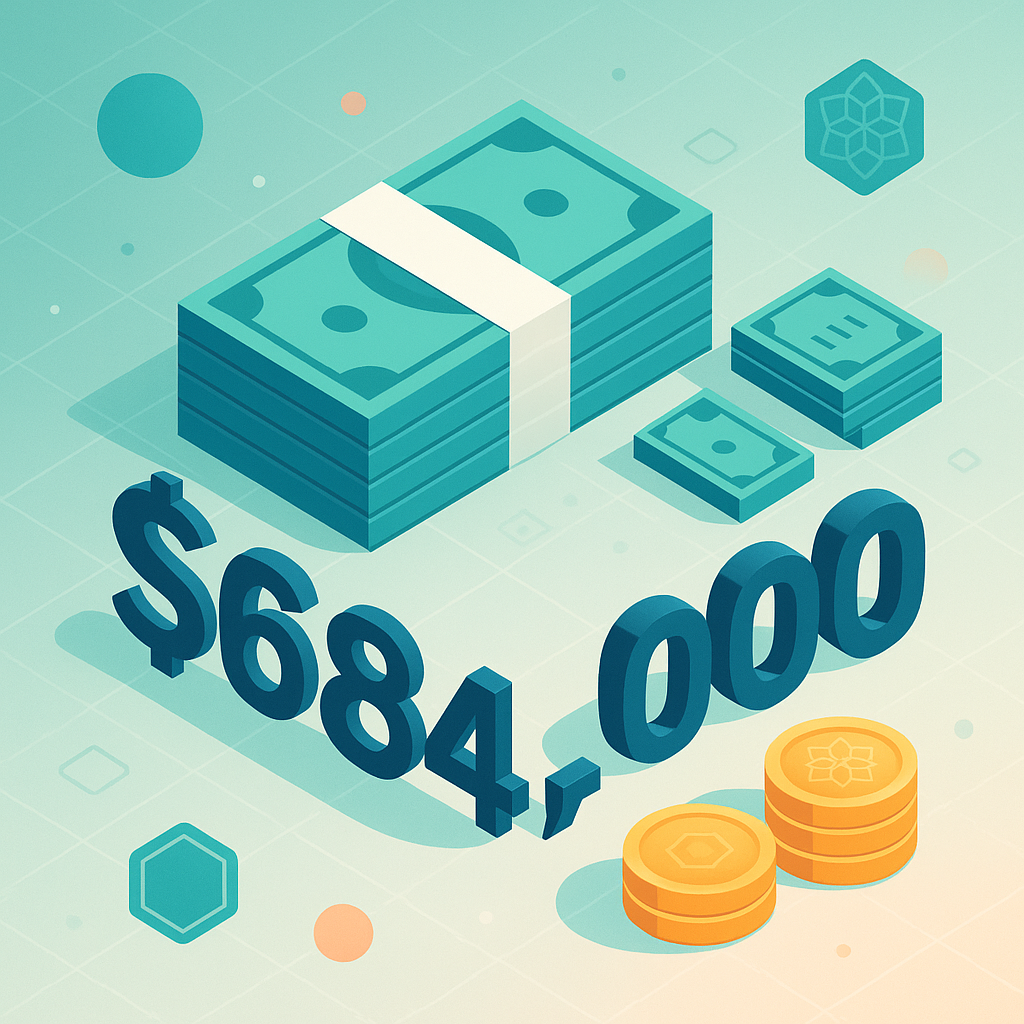
Bangladeshi startups raised USD 124 million in 2025, but only USD 684,000 of that came from investors inside the country — spread across three deals — as foreign capital supplied roughly 99 per cent of the year’s funding. The largest single transaction was a USD 110 million financing behind the merger of ShopUp and Sary into SILQ Group, a deal that brought a syndicate of international investors into the market. Domestic institutional participation was minimal: Startup Bangladesh Limited has deployed roughly Tk 109 crore (about USD 8.8 million) across 36 approved startups since 2020, while Bangladesh’s angel network and its financial institutions made no direct startup investments in 2025.
"Ninety-nine per cent foreign tells a European investor very little about risk. Which foreigners, and on what horizon, tells them a great deal."
Who wrote the cheques
Named foreign investors that entered Bangladesh in 2025 included Sanabil Investments — the venture arm wholly owned by Saudi Arabia’s Public Investment Fund (PIF) — New York growth fund Valar Ventures, Qatar Development Bank, Kuwait’s Wafra, and the Asian Development Bank via ADB Ventures. Most of these institutions participated in the syndicate around the SILQ Group merger; ADB Ventures was singled out as one of the few multilaterals writing genuinely early-stage cheques into cleantech and agriculture on the ground.
- Top three deals accounted for around 95 per cent of capital raised in 2025.
- The average ticket was USD 10 million; excluding the SILQ merger, average deal size fell to roughly USD 1 million.
- There were no Series A rounds and no debt rounds in 2025, compared with USD 21 million across six Series A rounds in 2024.
Domestic constraints and the new bank-owned vehicle
Structural barriers—including informality, thin credit histories, limited collateral and documentation burdens—help explain why domestic equity is scarce despite widespread retail financial activity: registered mobile financial services accounts stood at roughly 239 million in January 2025, with monthly transaction volumes near Tk 1.72 trillion (about USD 14 billion). Where institutions have engineered a route, capital flowed: City Bank’s nano-loans distributed through bKash had disbursed around USD 190 million to approximately 950,000 users by April 2025.
A potentially structural change arrived in May 2026 with the launch of Bangladesh Startup Investment Company PLC (BSIC), owned by thirty-nine Bangladeshi commercial banks. BSIC’s inaugural vehicle, Onkur Bangladesh Fund 1, has a paid-up corpus of Tk 425 crore (stated as USD 35 million; converted at current rates to USD 34.4 million). The company’s authorised capital is Tk 2,000 crore (about USD 162 million), and projected annual inflows are around Tk 200 crore (about USD 16 million) as the banks’ 1 per cent profit set-aside is recycled into the vehicle.
Outlook
Onkur targets late-seed and Series A stages — precisely the rungs that recorded no activity in 2025 — and could close a critical gap if it begins deploying capital at scale. But public records remain incomplete: BSIC had yet to make an investment or appoint a chief investment officer at the time of reporting, and the relationship between Bangladesh Bank’s original circular and BSIC’s governance structure leaves open questions about who ultimately steers deployment. For now, the market’s recovery in headline dollars depends heavily on a few large foreign cheques, while a new bank-led vehicle offers the clearest route to turning domestic bank-set-asides into follow-up rounds for local startups.
Stay in the loop
Join our weekly newsletter and get the latest MENA startup news, funding rounds, and insights delivered straight to your inbox.