Microsoft Arabia Chief Outlines Saudi Arabia's AI Priorities for Next Phase
Ayman Al‑Ghamdi, president of Microsoft Arabia, says Saudi Arabia is moving from building AI infrastructure to embedding AI into core operations, prioritizing a trusted Azure cloud region, measurable deployments and local skills training.
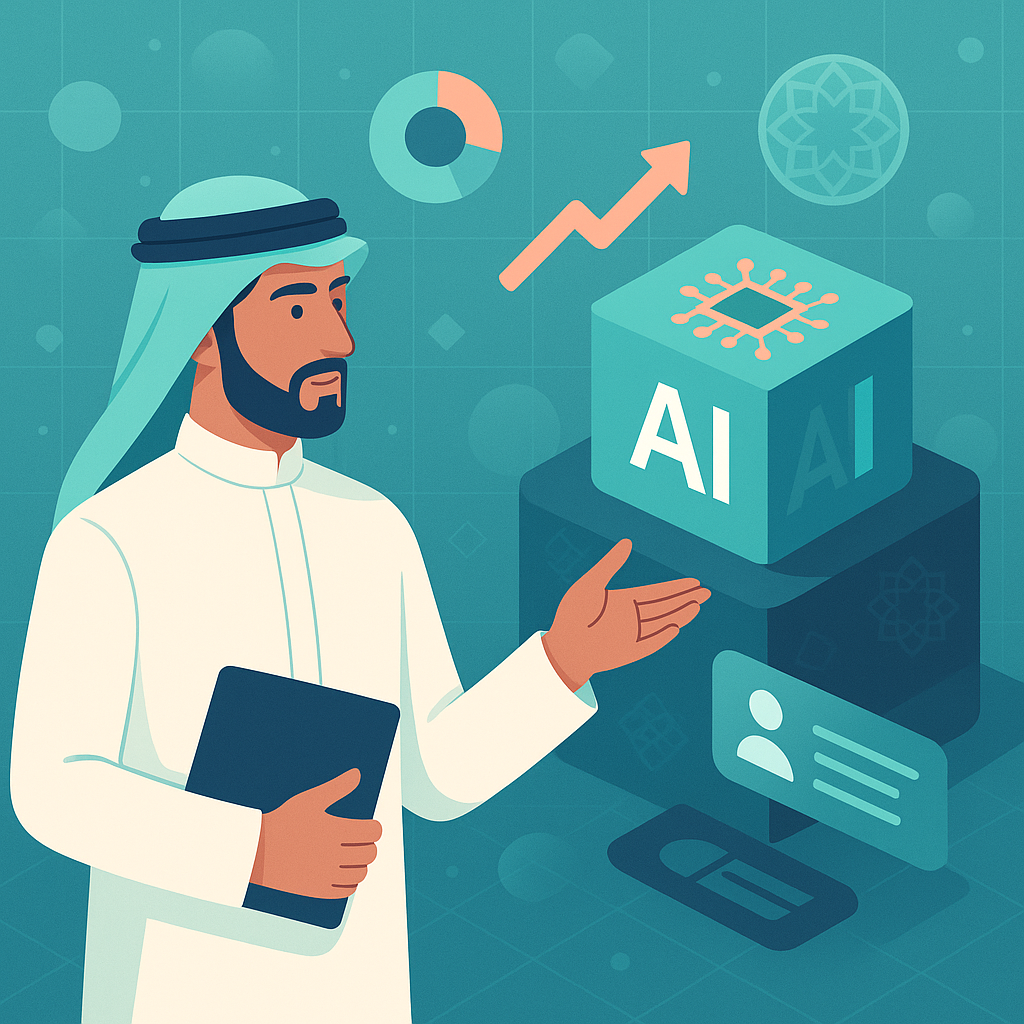
Ayman Al‑Ghamdi, president of Microsoft Arabia, has outlined three priorities as Saudi Arabia moves from building AI infrastructure to embedding artificial intelligence into core institutional operations: establishing a trusted cloud foundation with the new Azure region in the Kingdom’s Eastern Province, shifting AI from experimentation to measurable deployment, and expanding local skills — including Microsoft’s pledge to help 3 million people in Saudi Arabia acquire AI skills by 2030. Al‑Ghamdi made the comments in his first media interview since taking office last July and flagged the central challenge as closing an implementation gap inside organisations that already have regulatory and infrastructure foundations in place.
"Many institutions are still treating AI as something to experiment with, rather than integrating it into core operations," Al‑Ghamdi said, stressing the need to link AI directly to business and service performance, customer experience, data governance and operating models.
Context and priorities
Al‑Ghamdi points to substantial preparatory work across the Kingdom: infrastructure upgrades, data governance frameworks and capacity building. He noted the regulatory ecosystem includes 32 regulatory instruments related to data and 13 related to AI, a framework he credits with enabling a move to the next phase. Yet he warned that regulatory readiness alone is insufficient if institutions do not embed AI into daily workflows and decision‑making.
His three priorities for the first year are practical. First, a "trusted cloud foundation" tied to the availability of the Azure region in the Eastern Province, which he described as more than hosting or capacity: it enables secure modernization of critical workloads and prepares organisations to expand AI use. Second, moving AI efforts from proof‑of‑concepts to demonstrable gains in productivity, operations and customer outcomes. He cited Obeikan Group’s O3ai platform for smart factories as an example of an application that illustrates this transition. Third, building local capabilities so transformation is sustained within Saudi organisations — a theme captured by Microsoft’s target to train 3 million Saudis in AI skills by 2030.
Al‑Ghamdi also outlined Microsoft’s competitive approach for the market: "trust, choice, and control," combined with the ability to drive measurable impact at scale. He argued that as cloud capacity and access to advanced models expand, competition will shift from infrastructure ownership to which providers can help institutions use models safely and responsibly to change how they work.
Operational realities and results
Highlighting uneven returns from AI, Al‑Ghamdi warned that generative models cannot compensate for poor data foundations, fragmented processes, or weak governance. He pointed to Ma'aden as an example of effective deployment, saying its teams save more than 2,200 hours per month using Microsoft 365 Copilot, Copilot Studio and Azure OpenAI Service. That, he argues, is the kind of measurable impact that separates meaningful transformation from headline projects.
- Azure region in Eastern Province: enables local workloads and AI readiness
- Regulatory environment: 32 data instruments, 13 AI instruments
- Skills commitment: 3 million people to be trained in AI by 2030
Outlook: Al‑Ghamdi expects the Kingdom’s next phase to see a rising share of digital value creation located in Saudi Arabia — more local solutions, deeper partner innovation and eventual production of intellectual property that can serve the region. The pace of that shift, he says, will depend on organisations strengthening data, security and governance in step with their adoption of AI so that adoption yields measurable business and service outcomes rather than remaining experimental.
Related Startups
Microsoft Arabia
Regional arm of Microsoft delivering cloud, AI and skilling programs across Saudi Arabia, supporting platform adoption and workforce training.
Obeikan Group (O3ai)
O3ai is Obeikan Group’s platform for smart factories and industrial AI applications.
Ma'aden
Saudi Arabian mining company deploying Microsoft 365 Copilot, Copilot Studio and Azure OpenAI Service to boost productivity.
Related Founders
Stay in the loop
Join our weekly newsletter and get the latest MENA startup news, funding rounds, and insights delivered straight to your inbox.