India Reworks Payment Fee Rules, UPI Eyes Expansion to Japan, Malaysia, and Bahrain
India is changing how it designates zero-fee digital payment methods while NPCI pursues international expansion of UPI into markets such as Japan, Malaysia and Bahrain. NPCI CEO Dilip Asbe says the organisation aims to reach 15–20 markets over the next decade.
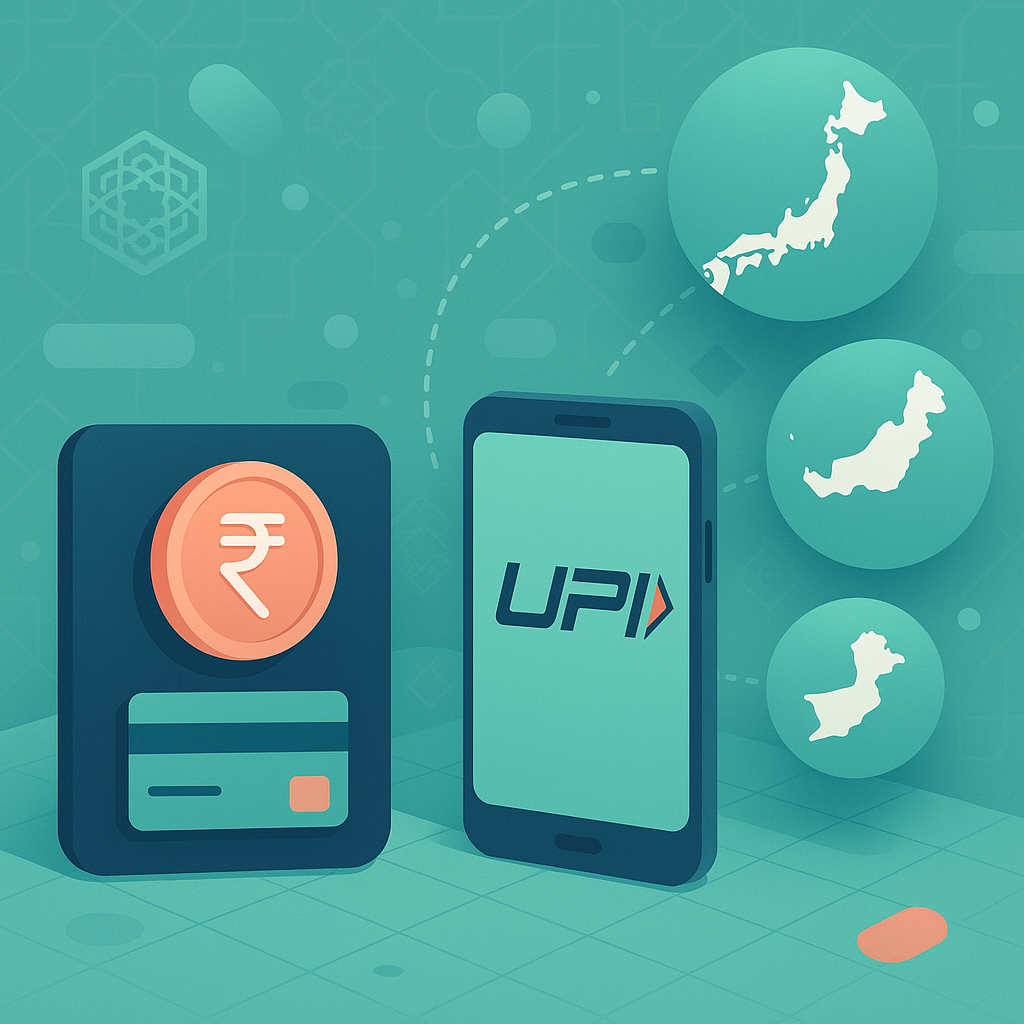
India has moved to alter the legal framework that shields certain digital payment methods from merchant and user charges, and the National Payments Corporation of India (NPCI) is intensifying efforts to take its Unified Payments Interface (UPI) into new overseas markets including Japan, Malaysia and Bahrain. The Taxation and Other Laws (Amendment) Bill, 2026 would shift the authority to designate which electronic payment methods are protected from fees from the Income-tax Act to notifications issued directly by the central government. NPCI chief executive Dilip Asbe has said the organisation is in talks with Japan, Malaysia and Bahrain and sees potential for UPI to reach "15 to 20 markets over the next decade."
"Banks and payment providers would remain barred from directly or indirectly charging people who make or receive payments through digital payment methods covered by the government," the proposed amendment states, preserving the zero-charge principle for methods the government designates.
Under the current statutory arrangement, the zero-fee treatment for BHIM-UPI and RuPay debit card transactions has been supported by provisions in the Income-tax Act. The proposed amendment does not itself introduce a merchant discount rate (MDR) or set new fees; rather, it changes how the government decides which payment methods will enjoy protection. "The change does not itself introduce a fee or set a merchant discount rate," the bill specifies, signalling that the move is procedural rather than an immediate pricing reform.
The regulatory update comes as NPCI pursues a strategic international rollout for UPI, which already has footprints in nine countries including Singapore, France and the United Arab Emirates. NPCI has enabled person-to-person remittances with Singapore and Nepal and supports inward remittances from Greece. Dilip Asbe has articulated a phased expansion strategy that initially prioritises countries with large Indian diaspora communities to boost remittance flows and cross-border payment volumes.
Industry observers note that placing the designation of protected payment methods under central-government notifications could give policymakers greater flexibility to expand or contract zero-fee coverage in response to market developments, fiscal priorities and international negotiations. For consumers and merchants, the immediate effect is limited: the bill explicitly leaves open the possibility that current zero-fee treatments remain in place, but it also creates a mechanism by which protections can be updated more rapidly than by amending the Income-tax Act.
For NPCI, overseas expansion presents both opportunity and complexity. Bringing UPI to markets such as Japan, Malaysia and Bahrain would involve technical integrations, regulatory coordination, and alignment on anti-money-laundering and cross-border settlement arrangements. Asbe has framed a longer-term goal of greater self-sufficiency in cross-border payments, building on UPI’s deep integration in India’s domestic payments ecosystem.
Outlook: If the bill is enacted and the government exercises its new notification powers, policymakers could selectively preserve zero-fee status for BHIM-UPI and RuPay while adapting coverage to future digital payment methods. Meanwhile, NPCI’s engagement with Japan, Malaysia and Bahrain — and its aim of reaching "15 to 20 markets over the next decade" — signals an aggressive push to globalise UPI as a conduit for remittances and cross-border transactions, with early targets focused on countries hosting sizable Indian communities and existing bilateral remittance corridors.
Stay in the loop
Join our weekly newsletter and get the latest MENA startup news, funding rounds, and insights delivered straight to your inbox.