Women in AI Morocco Founder Says Inclusion Is Essential to Building Better Technology
Dr. Sofia Ghacham founded Women in AI Morocco in 2025 to promote inclusion of women in Morocco’s AI sector, converting academic promise into professional visibility and advocating responsible AI; the article also notes Cybervergent raised $3 million to expand an AI compliance platform across Africa.
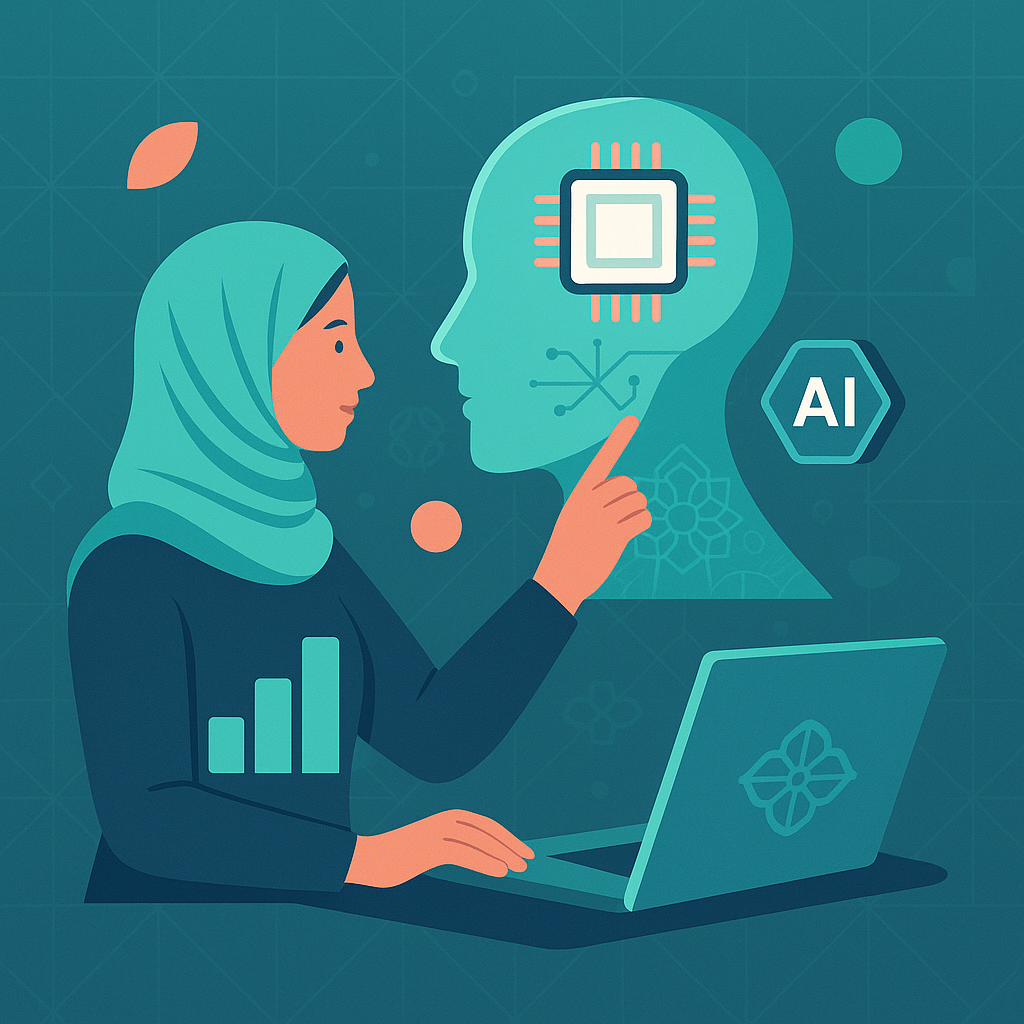
Dr. Sofia Ghacham, a Moroccan electrical engineer and ICT researcher who spent two decades working on mobile networks and railway systems, has launched Women in AI Morocco to press for fuller inclusion of women in the country’s artificial intelligence sector. Founded in 2025 as Morocco’s chapter of the international Women in AI network, the organisation aims to convert academic promise into professional visibility and to ensure AI development in Morocco is “responsible, secure, and in service of economic and social development.”
Direct quote
"Useful innovation is innovation that genuinely improves existing systems and responds to real societal needs," Ghacham said, adding that "AI is a powerful tool that must be designed and deployed responsibly, securely, and in service of economic and social development."
Context and details
Ghacham’s decision to found Women in AI Morocco followed her participation in TechWomen, a U.S. State Department programme that connects women leaders in STEM with Silicon Valley’s tech ecosystem. The TechWomen experience, she said, revealed the transformative power of organised community, visible role models and structured networks — resources she found lacking for women entering AI in Morocco.
Women in AI Morocco pursues a three-part mission Ghacham describes as essential to building an inclusive national AI ecosystem:
- Raising awareness of AI opportunities among young talent;
- Supporting women building careers in the field;
- Contributing to a more inclusive national AI ecosystem through cross-sector collaboration.
Despite strong female representation in Moroccan scientific and engineering programmes, Ghacham warned that "the presence thins significantly as careers advance, particularly in research, technology entrepreneurship and AI leadership." She pointed to persistent stereotypes, a scarcity of role models and the absence of inclusive organisational policies as structural barriers that must be dismantled.
"The challenge is to convert academic potential into stronger professional visibility," Ghacham said, framing inclusion not as a side benefit but as a prerequisite for technology that is fairer and more representative. "Integrating women fully into this ecosystem is not just a matter of equality. It is an essential condition for building technologies that are fairer, more inclusive, and more representative of society."
Outlook
Ghacham’s message to aspiring Moroccan women in AI is a direct call to action: set no limits. "The world of AI evolves very quickly, and those who know how to learn, collaborate, and innovate will have a key role to play in building the technologies of tomorrow," she said.
Her initiative arrives as the African AI ecosystem draws increased investment and programmatic activity — for example, Cybervergent recently raised $3 million to expand an AI-powered compliance platform across Africa — underscoring both opportunity and the need for diverse participation if technologies are to serve broad economic and social goals.
Related Startups
Related Founders
Stay in the loop
Join our weekly newsletter and get the latest MENA startup news, funding rounds, and insights delivered straight to your inbox.