Oman can become hub for low-carbon technologies
Panelists at Oman Climate Week highlighted Oman's strategic location, renewable resources and skilled workforce as foundations to become a regional hub for carbon markets, green hydrogen and low‑carbon technologies under Article 6 cooperative approaches.
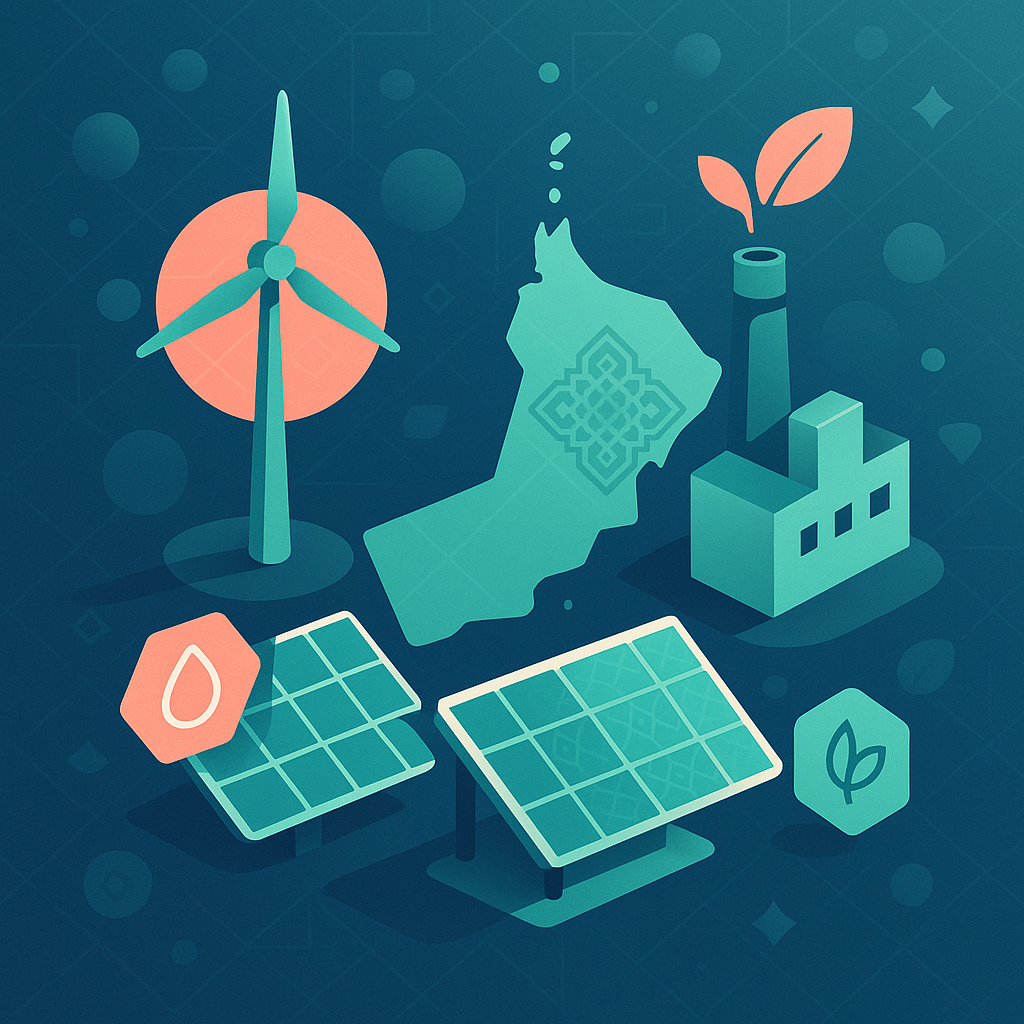
The Sultanate of Oman, leveraging its strategic location, energy expertise and a national Net‑Zero by 2050 commitment, is well positioned to become a regional hub for carbon markets and low‑carbon technologies, panelists said at a recent climate week event in Muscat. Experts highlighted Oman’s access to global shipping lanes, abundant solar and wind resources, and a skilled workforce from decades of oil and gas engineering as key assets to accelerate deployment of low‑carbon infrastructure and to capitalise on Article 6 cooperative approaches under the UNFCCC.
“The Sultanate of Oman is situated at the crossroads of global shipping lanes and is capable of offering easy export access to key energy markets in Asia and Europe. Besides the natural resources, the abundant sunlight and strong, and steady winds that it receives create ideal conditions for low‑cost solar and wind power generation,” said Dr Said al Sarmi, Senior Net‑Zero Expert and Oman Article 6 DNA, Net‑Zero Centre.
The comments were made during a high‑level panel titled “UNFCCC Side Event: Article 6 Implementation”, held as part of Oman Climate Week 2026 in Muscat. The session convened international and regional experts to examine how carbon markets and cooperative mechanisms can accelerate climate action while safeguarding environmental integrity and delivering sustainable development benefits for host countries.
Panelists emphasised the need for capacity building, robust regulatory frameworks, and private sector engagement to unlock Article 6’s potential across the MENA region. Participants included Mahmoud Fathallah, Senior Economist at the League of Arab States; Prof Nasser Ayoub, Managing Director of CLC EPD MENA International EPD System; Omar al Ajaji, Advisory Services Sector Manager at Voluntary Carbon Market Company (VCM); Kenichiro Yamaguchi, Fellow, Energy and Sustainability at Mitsubishi Research Institute; and Karan Khimji, Chief Commercial Officer of Khimji Group. The session was moderated by Walters Tubua, Regional Lead, RCC West and Central Africa.
- Capacity and skills: Panelists noted that decades of experience in large‑scale oil and gas engineering give Oman the technical skills and workforce to build complex energy infrastructure.
- Renewable potential: Abundant sunlight and steady winds were cited as enabling conditions for low‑cost solar and wind power generation.
- Market mechanisms: Article 6’s market and non‑market mechanisms were discussed as pathways to channel finance and technology transfer while preventing double counting.
Speakers pointed to Oman’s national green hydrogen ambitions as a concrete example of how the country intends to translate natural and technical advantages into industrial-scale low‑carbon production. “This is accentuated by the national green hydrogen ambitions whereby Oman is aiming to produce 1 million tonnes of green hydrogen per year by 2030, backed by massive investments in alternative energy,” the panel said.
Discussion also underscored the importance of ensuring transparency and environmental integrity in carbon transactions, and the role of the private sector in scaling projects that generate verified emissions reductions. Experts argued that clear regulations, credible measurement, reporting and verification (MRV) systems, and strengthened institutional capacity will be crucial to attract investment and to integrate Oman into regional and global carbon markets.
Outlook
With established logistics links to Asia and Europe, a skilled workforce from its hydrocarbon sector, and stated ambitions such as producing 1 million tonnes of green hydrogen annually by 2030, Oman is positioned to attract private and public investment into renewables, green hydrogen and carbon market activities. Realising this potential will depend on rapid development of regulatory frameworks, capacity building for MRV and governance, and sustained engagement between policymakers, investors and climate practitioners to translate Article 6 cooperative approaches into tangible projects and flows of climate finance.
Stay in the loop
Join our weekly newsletter and get the latest MENA startup news, funding rounds, and insights delivered straight to your inbox.