Morocco Launches Rally AI Future Lab in Merzouga to Build Homegrown AI Talent Across All Regions
Morocco launched the Rally AI Future Lab organised by the Al Jazari Institute to train 1,000 researchers, engineers, students and entrepreneurs in Merzouga as part of the national "AI Made in Morocco" strategy, with plans to expand across all 12 regions and link to a network of Al Jazari institutes.
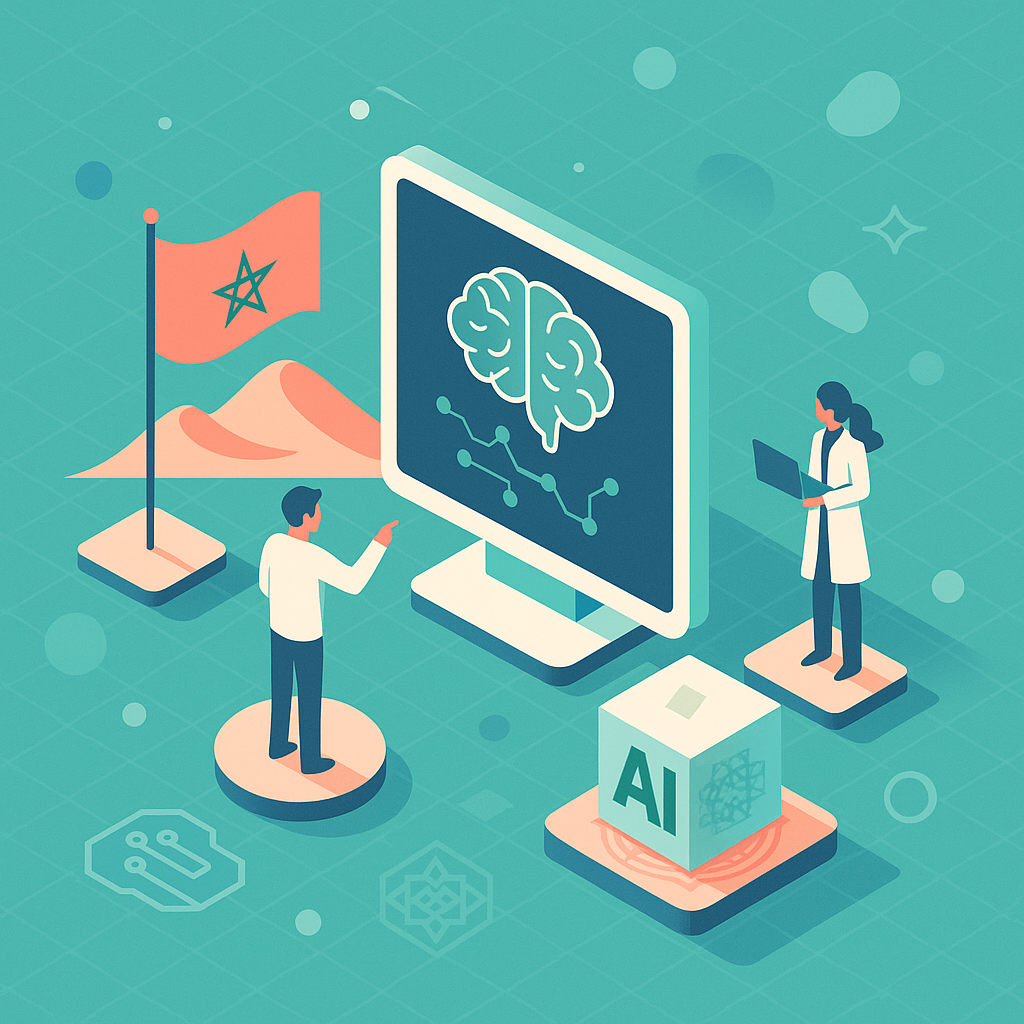
Morocco’s Ministry of Digital Transition and Administrative Reform has launched the Rally AI Future Lab, a national initiative organised by the Jazari Institute that convenes 1,000 researchers, engineers, students, entrepreneurs and developers for a five‑day intensive programme in Merzouga from June 16 to 20. The inaugural lab is part of the government’s "AI Made in Morocco" strategy, which aims for a 100 billion dirham (about $10 billion) contribution to GDP and the creation of 50,000 AI‑related jobs, and has an ambition to reach 5,000 participants across multiple cohorts covering all 12 regions of the Kingdom.
"The ministry describes its goal as installing a sustainable architecture of innovation, with an emphasis on the gradual, structured transition from ideas to operational solutions at national scale," organisers said, framing the lab as a practical step toward technological sovereignty and citizen‑facing AI solutions.
The Rally AI Future Lab emphasizes applied AI development with a focus on four priority areas: modernisation of public services, administrative efficiency, digital inclusion and economic competitiveness. Rather than staging the launch in Rabat or Casablanca, authorities selected Merzouga in the Drâa‑Tafilalet region to signal that the effort is national in scope and intentionally reaches less centralised regions.
- Programme scale: 1,000 participants in the inaugural five‑day lab; phased expansion target of 5,000 participants across several cohorts.
- National targets under AI Made in Morocco: 100 billion dirham contribution to GDP and 50,000 AI jobs.
- Priority project areas: public service modernisation, administrative efficiency, digital inclusion, economic competitiveness.
- Geographic rollout: lab in Merzouga; Al Jazari Institute network beginning in Guelmim‑Oued Noun with a second institute planned for Nador.
The lab combines training, experimentation, prototyping and mentoring with the stated intention of moving projects from idea to operational product. It builds directly on the RamadanIA Hackathon, which previously mobilised more than 700 participants and around 50 mentors across all 12 regions; the national final in Rabat brought together nearly 170 selected talents and produced several teams noted for mature AI solutions.
Al Jazari (or Al Jazari) Institute expansion plans, announced last year by Digital Transition Minister Amal El Fallah Seghrouchni, are central to the effort to decentralise skills development. The institutes are mandated to deliver four core functions: training and skills development, applied research and co‑innovation, shared digital platforms and data infrastructure, and incubation and acceleration of AI solutions. The inaugural Al Jazari Institute sits in the Guelmim‑Oued Noun region in the southwest and a memorandum of understanding has been signed to establish a second institute in Nador in the northeast Rif region.
Organisers describe the Rally AI Future Lab as intended to create a sustained national innovation initiative rather than a one‑off event. By prioritising locally designed solutions "adapted to local needs," the programme aims to foster technological sovereignty while generating applied projects that improve citizen services and boost economic competitiveness across Morocco’s diverse regions.
Outlook
If the phased expansion reaches its target of 5,000 participants across multiple cohorts, the Rally AI Future Lab and the planned network of Al Jazari institutes could seed a persistent pipeline of domestically trained AI talent and operational projects. Success will hinge on translating prototypes into deployed services and on coordination between public, private, academic and international partners to scale solutions nationally.
Related Startups
Related Founders
Stay in the loop
Join our weekly newsletter and get the latest MENA startup news, funding rounds, and insights delivered straight to your inbox.