Morocco Launches Ambitious Coastal Tourism Project to Transform Lagouira into Luxury Destination with Emirati Investment Ahead of 2030 World Cup
Morocco plans a large-scale luxury coastal tourism development in Lagouira near the Mauritanian border backed by Emirati investors, integrating hotels, leisure facilities, a marina and major utilities to support regional growth ahead of the 2030 World Cup.
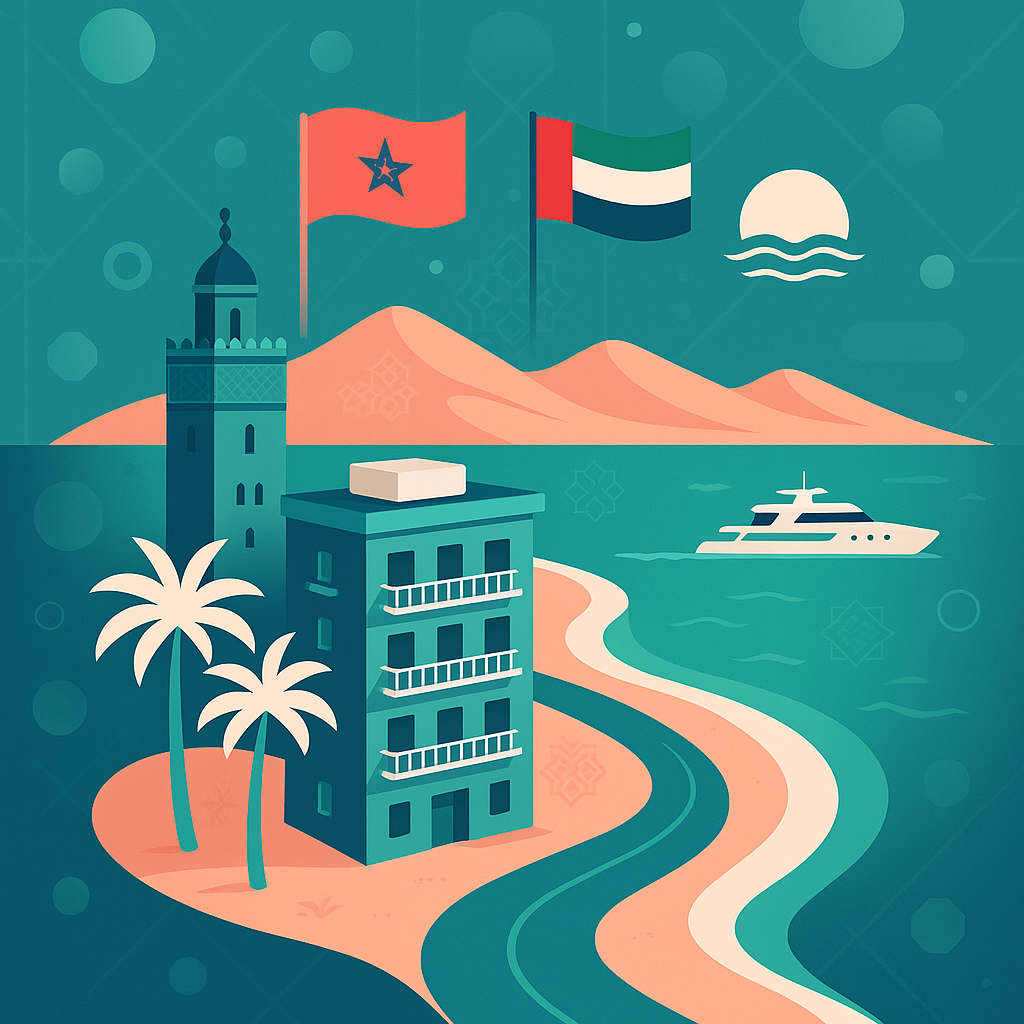
Morocco lays groundwork for luxury coastal hub in Lagouira with Emirati backing ahead of 2030 World Cup
Morocco has unveiled plans to transform Lagouira, a sparsely populated town on the southern Atlantic coast near the Mauritanian border, into a mixed-use luxury coastal village supported by Emirati investors. The development, positioned as part of national efforts to diversify tourism ahead of Morocco’s co-hosting of the 2030 FIFA World Cup with Spain and Portugal, will combine hotels, chalets, villas, guesthouses and high-end desert tents alongside a marina and extensive leisure facilities.
“Lagouira is envisioned as more than a tourist destination—it is a catalyst for regional development,” Travel And Tour World reported, reflecting the programme’s stated ambition to generate employment, private investment and new revenue streams in southern Morocco.
The masterplan emphasizes an integrated offering of hospitality, recreation, retail and maritime infrastructure. Key elements described in project materials and press coverage include:
- Accommodation: hotels, chalets, villas, guesthouses and luxury desert tents designed to attract international and domestic visitors;
- Leisure and recreation: swimming pools, water parks, sports fields, fitness centres, spas, landscaped gardens and children’s playgrounds;
- Commercial and events: restaurants, cafés, kiosks, shopping outlets, and event and conference halls;
- Maritime infrastructure: a marina to anchor nautical and coastal tourism activities;
- Core utilities and operations: electricity networks, water and sewage systems, internet connectivity, parking, visitor reception areas and security facilities.
The Lagouira initiative is being framed within a broader surge of Emirati engagement in Morocco. UAE capital investments in Morocco reached MAD 3.1 billion (approximately $310 million) in 2024 — nearly 19% of Morocco’s total net foreign direct investment — and by mid‑2025 Emirati investments in the kingdom totalled about $188 million, placing the UAE among Morocco’s top foreign investors alongside France.
Strategic infrastructure agreements underpin the tourism push. In May 2025 a consortium of Emirati and Moroccan companies signed a record-setting $14 billion investment agreement with the Moroccan government and national utility ONEE. That deal focuses on energy and water projects, including a 1,400-kilometre high-voltage transmission line linking Western Sahara to Casablanca and four seawater desalination plants with combined capacity of 900 million cubic metres per year — assets intended to support both the Lagouira development and broader regional needs.
Tourism metrics underpin the timing: Morocco received 19.8 million visitors in 2025, a 14% rise year-on-year, and authorities are expanding air services and marketing campaigns targeted at high‑value markets such as the Gulf Cooperation Council. Observers note the project’s proximity to Dakhla — already established for kitesurfing and wind sports — could create a southern corridor offering desert and coastal experiences while easing pressure on traditional urban centres like Marrakech and Casablanca.
Political and investment confidence has been bolstered by recent diplomatic developments, including a United Nations Security Council resolution recognising Morocco’s autonomy plan as the exclusive basis for negotiations in the region, which officials say enhances the environment for large-scale private investment. With utilities, renewable energy and desalination integrated into the plan, Moroccan authorities and Emirati partners aim to position Lagouira as a world-class coastal destination and a catalyst for sustained regional development ahead of 2030.
Stay in the loop
Join our weekly newsletter and get the latest MENA startup news, funding rounds, and insights delivered straight to your inbox.