LIV Golf is scrambling amid Saudi funding questions. Will the kingdom’s stake in other sports last? - The Athletic
The consequences for golf could be seismic if PIF completely exits the league, but the fund’s apparent shift also has potential implications for other sports partly bankrolled by Saudi Arabia through
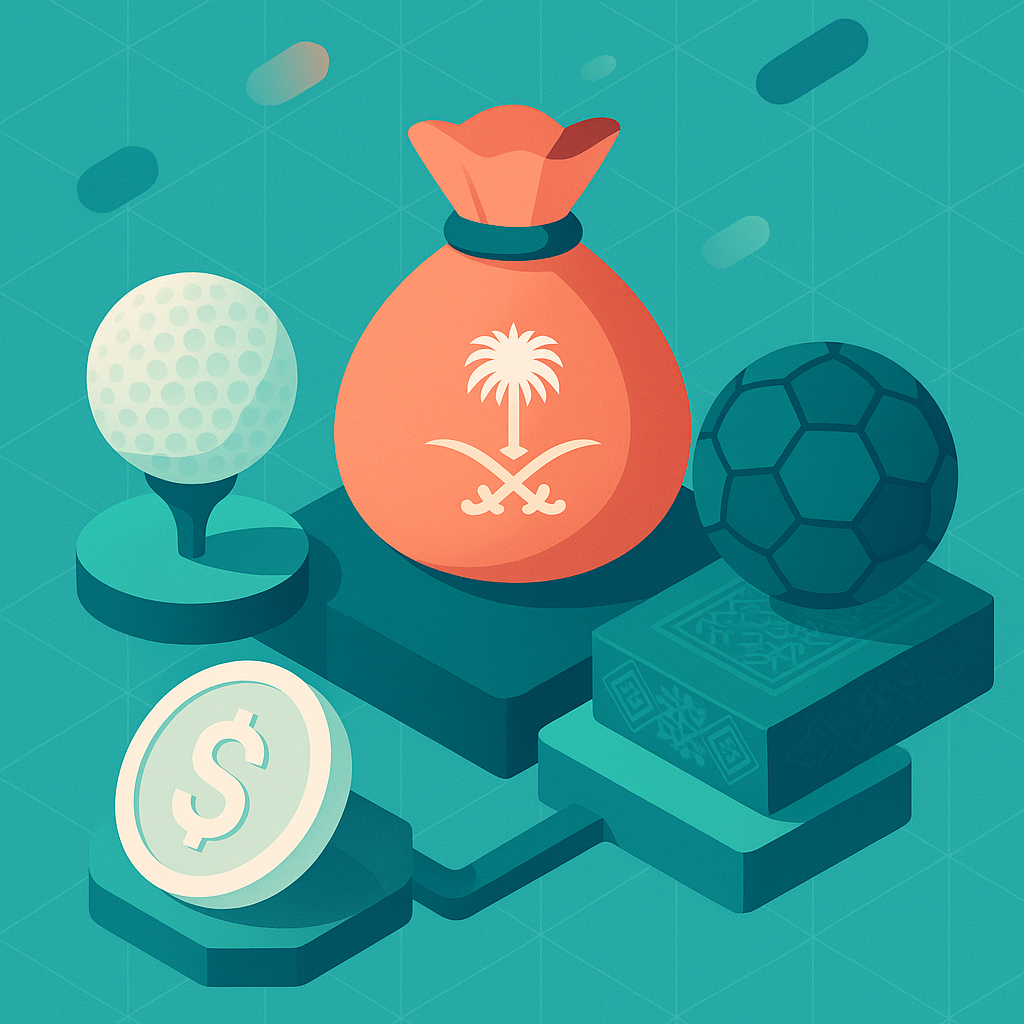
Saudi Arabia’s sovereign wealth vehicle, the Public Investment Fund (PIF), is reported to be preparing to withdraw funding from LIV Golf, a move that has sent shockwaves through professional golf and raised fresh questions about the kingdom’s wider sporting commitments. Launched in 2022 with billions of dollars of investment and promises to disrupt the PGA and DP World Tours, LIV has been described by insiders as a “huge loss leader,” and people inside the sport are said to be scrambling to figure out their futures amid the uncertainty.
"It remains fully committed to sports," said a source familiar with PIF’s thinking who was not authorized to speak publicly, a response offered after PIF’s five-year strategy release conspicuously omitted the word "sports."
Context and recent moves
PIF’s apparent shift has immediate implications for LIV Golf and broader repercussions for sports investments backed by Saudi money. The Athletic reported Wednesday that people inside the sport are trying to ascertain what comes next if PIF — LIV’s most high-profile sporting project — pulls out entirely.
- LIV Golf was launched in 2022 with massive capital support from Saudi-linked backers; despite that funding, sources described the project as suffering substantial losses.
- Soccer has been the centerpiece of Saudi sporting investment: Cristiano Ronaldo signed for Al Nassr at the end of 2022 on a reported deal worth £173 million ($234 million) a year; other marquee additions in 2023 included Karim Benzema, Neymar and Sadio Mane.
- PIF-owned clubs — Al Nassr, Al Hilal, Al Ahli and Al Ittihad — saw more than £700 million (roughly $760 million) spent across the 2023-24 season and close to £500 million (about $565 million) in 2024-25.
- In June 2023 PIF acquired 75 percent stakes in the four clubs; the fund later sold a 70 percent stake in Al Hilal to Kingdom Holding Company, valuing Al Hilal at SAR1.4 billion ($373 million; £276 million).
- Newcastle United, 85 percent owned by PIF, has received £491.9 million ($665.7 million) in cash from its owners over the past five years. Club officials and PIF representatives — including daily contact with board member Jacobo Solis and planned end-of-season reviews with chairman Yasir Al-Rumayyan — have sought to project normalcy.
- Separately, Saudi Arabia secured the 2034 men’s World Cup in an uncontested award; that tournament is being driven by the Ministry of Sport rather than PIF and includes proposals to build 11 new stadiums, including the 92,500-capacity King Salman International Stadium.
- PIF’s overseas allocation has shrunk: overseas investments peaked at 30 percent of the portfolio in 2020, fell to 23 percent by end-2022, and two years later were down to about 19 percent.
Outlook
The immediate outlook hinges on PIF’s next public moves. If the fund follows through on withdrawing support, the consequences for LIV Golf could be seismic — from player contracts and tournament schedules to sponsorship deals. The apparent strategic pivot toward domestic projects and event hosting, such as the 2034 World Cup, suggests Saudi funding may become more focused on ventures delivering clear local benefits rather than high-profile overseas sporting ventures. For clubs like Newcastle, the message from PIF sources that the club sits in a "strategic" pod offers short-term reassurance, but the wider rebalancing of PIF’s priorities means uncertainty will remain a feature of the sporting landscape for months to come.
Stay in the loop
Join our weekly newsletter and get the latest MENA startup news, funding rounds, and insights delivered straight to your inbox.