Jordan's Shift To Sustainable Cooling Requires Industry, Consumer Action
Participants at an Ozone Day dialogue in Amman said Jordan's shift to sustainable cooling requires investment, technical training and closer cooperation between government, industry and international partners to upgrade equipment, standards and skills. Panelists from UNIDO, UNDP and the Ministry of Environment urged coordinated policy, green finance and vocational training to avoid locking in higher emissions.
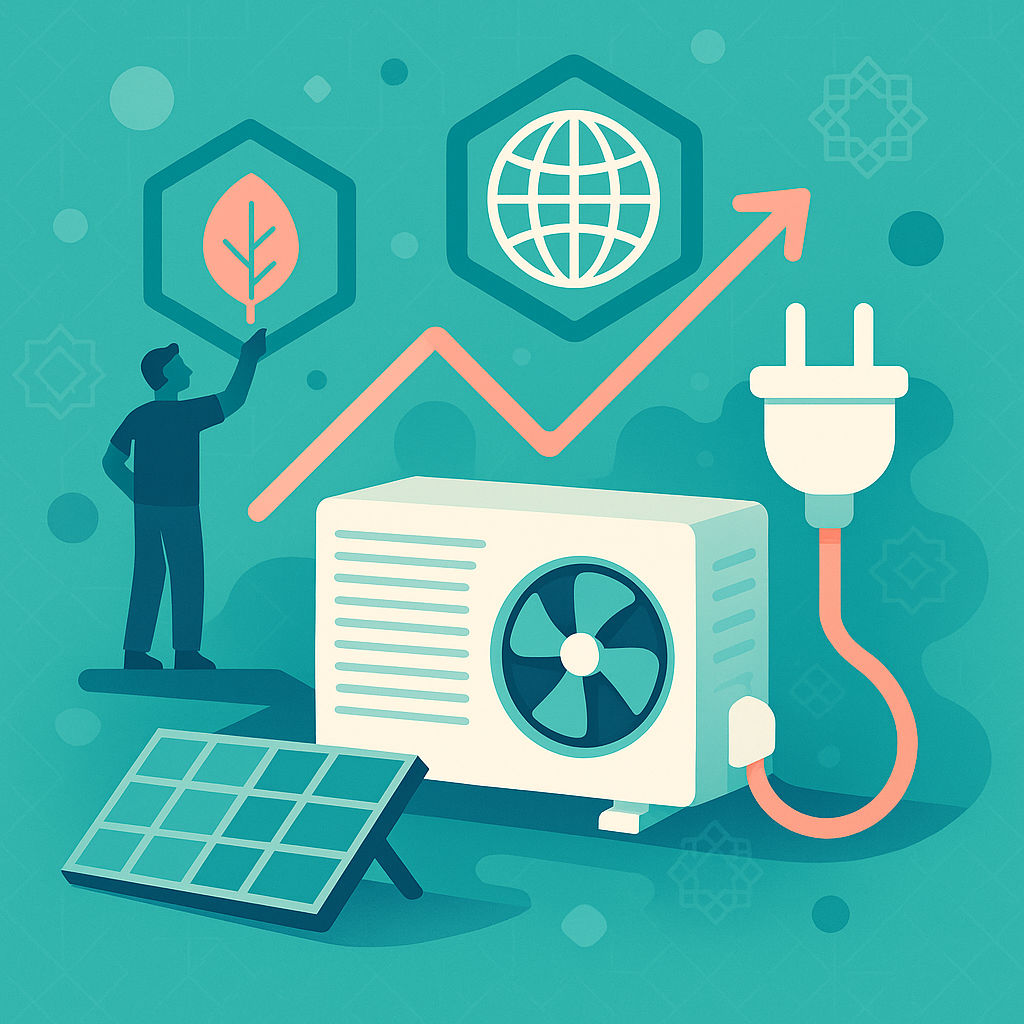
AMMAN — Jordan’s transition to sustainable cooling hinges on fresh investment, technical training and closer cooperation between government, industry and international partners, participants said at a recent dialogue on refrigeration and air‑conditioning held as part of an Ozone Day event. The session — framed around “Sustainable Cooling and the Kigali Amendment in the Refrigeration and Air‑Conditioning Sector — Current Situation, Challenges and Presentation of National Success Stories” — brought together United Nations Industrial Development Organisation (UNIDO) Representative Sulafa Madanat, United Nations Development Programme (UNDP) Deputy Resident Representative Majdah Al Assaf, Secretary‑General of the Ministry of Environment Omar Arabiyat and industry representatives.
Direct quote
“Many refrigerants used in cooling equipment are also powerful greenhouse gases, so their release into the atmosphere contributes to climate change,” said Liazzat Rabbiosi, Chief of the Montreal Protocol and Sustainable Cooling at UNIDO. “More energy‑efficient cooling equipment can help reduce electricity consumption and household costs while maintaining comfortable indoor temperatures.”
Context and details
Speakers warned that the shift to sustainable cooling goes well beyond a one‑to‑one replacement of refrigerants. Participants stressed that the move requires equipment upgrades, production‑line modifications, improved energy efficiency, strengthened safety standards and substantial development of technical skills across the sector.
- Industry representatives described a transition that began more than a decade ago and emphasised the need for “significant investment, training and continuous technical development.”
- Some alternative refrigerants — for example R600a — were highlighted for their lower global‑warming potential but are flammable, “requiring appropriate safety measures and specialised expertise,” a company representative said.
- Speakers underlined that choice of refrigerant depends on the equipment type and application, and that national standards for installation, operation and maintenance are essential to manage risk and performance.
Jordan has a distinctive regional position because of its local manufacturing sector for refrigeration and air‑conditioning equipment, Rabbiosi noted, creating both responsibilities and opportunities. As demand for sustainable and energy‑efficient technologies grows, Jordanian manufacturers could expand exports to European markets — but only if investors, green finance mechanisms and technical training keep pace with demand.
UNDP’s Majdah Al Assaf, UNIDO’s Sulafa Madanat and Ministry of Environment Secretary‑General Omar Arabiyat joined industry voices in calling for closer cooperation between public authorities and private manufacturers, as well as engagement with international partners on financing and capacity building. The Ozone Day dialogue was organised in cooperation with the Ministry of Environment, UNDP and UNIDO Jordan.
Outlook
As regional temperatures climb and demand for cooling increases, participants urged urgent action to ensure that expansion in cooling capacity does not lock in higher emissions. Rabbiosi encouraged consumers to prioritise energy efficiency when buying air conditioners and refrigerators, advising households to check energy‑efficiency labels and to set air conditioners at around 24°C to balance comfort and electricity use: “Such measures can help lower electricity bills while reducing the environmental impact of cooling.”
Panelists concluded that meeting future cooling demand sustainably will require coordinated policy, targeted green finance, regulatory standards for safer refrigerant adoption and a ramp‑up in vocational and technical training to safeguard workers and consumers during the transition.
Stay in the loop
Join our weekly newsletter and get the latest MENA startup news, funding rounds, and insights delivered straight to your inbox.