India-UAE AI Partnership Driving Digital Sovereignty Growth
Collaborations in joint investment ... and startup enterprises are some ways of creating economic value through this collaboration. There will also be more room opened up for private enterprise, ventu
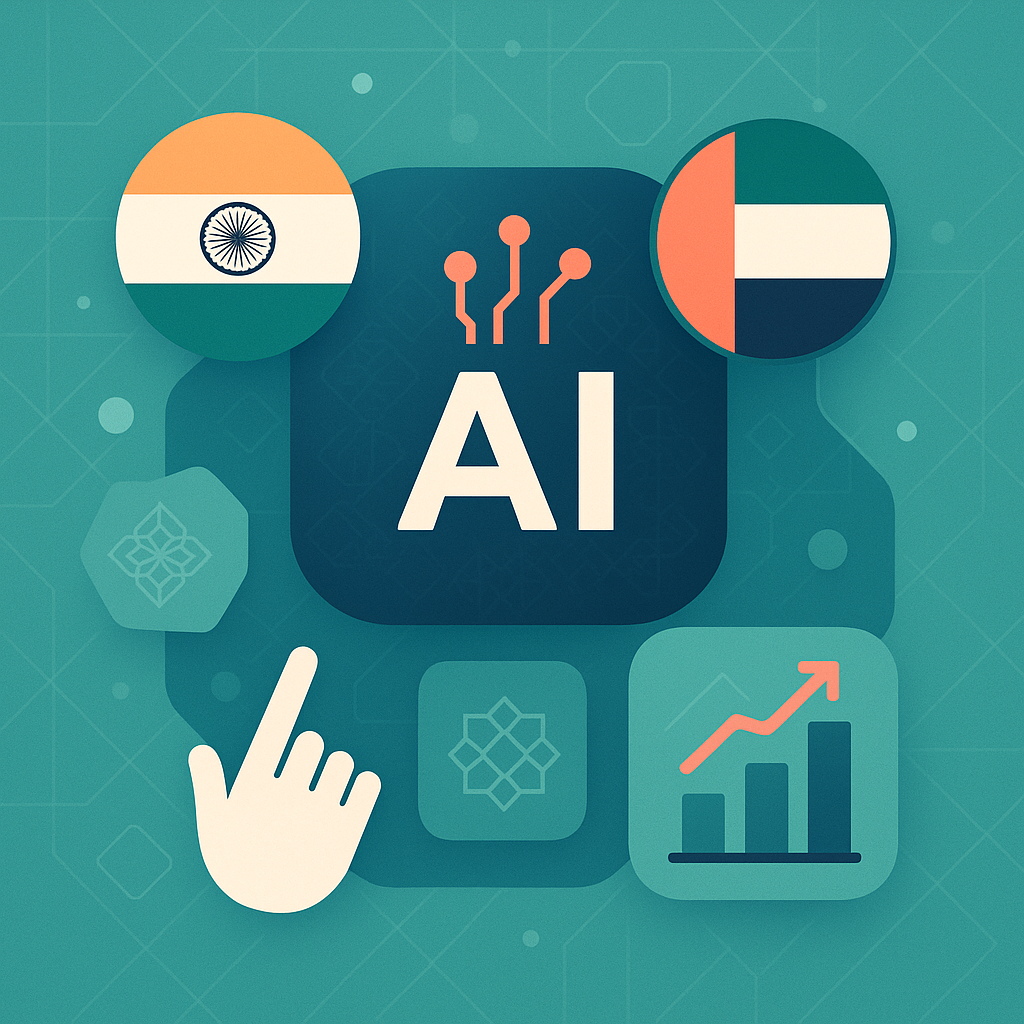
By Mehak — June 2, 2026. The bilateral relationship between India and the United Arab Emirates is evolving from trade, energy and investment ties into a strategic technology partnership centred on artificial intelligence (AI). The shift is driving a focus on digital sovereignty and AI infrastructure — including data centres, cloud services, high‑performance computing and semiconductor capabilities — with the UAE positioning itself as a strategic investor and India offering a large digital market, a deep talent pool and a vibrant startup ecosystem. The two countries’ Comprehensive Economic Partnership Agreement (CEPA) provides an existing framework that advocates deeper cooperation in technology and investment.
"Digital sovereignty denotes the ability of nations to control their own computing infrastructure, data policy framework, technological ecosystem, and computing infrastructure without being too dependent on foreign entities."
The partnership is already taking corporate shape through increased engagement with UAE tech groups such as G42, a prominent AI and cloud computing firm. The source notes that G42 has expanded its role in global AI conversations and that cooperation with companies like G42 could give India access to "state‑of‑the‑art computer technology and research" while helping to build domestic AI solutions. That combination addresses a central point in New Delhi’s AI agenda: talent and policy alone are not enough without investments in compute, research facilities and cloud scale.
India’s aims — to grow research programmes, entrepreneurship, digital public infrastructure and responsible AI development — align with the UAE’s track record in deploying modern infrastructure and strategic capital. The partnership is being framed not only as a route to commercial gain but as a means to strengthen technological independence and reduce reliance on other global technology ecosystems.
- Infrastructure: joint focus on data centres, cloud and high‑performance computing to underpin AI systems.
- Economic value: planned joint investments, research projects and startup collaboration to drive new ventures and funding opportunities.
- Sectors: healthcare, agriculture, manufacturing, logistics, and finance are highlighted as priority areas for applied AI.
- Corporate actors: UAE firms such as G42 are cited as central partners for technology transfer and research collaboration.
Outlook
Analysts cited in the report argue the India‑UAE collaboration could accelerate India’s trajectory toward becoming a global AI hub, while giving the UAE a stronger footprint in AI development. The economic opportunities are broad: AI is expected to contribute to GDP growth across multiple sectors, catalyse venture capital and innovation funding, and expand private‑sector entrepreneurship in both markets. Healthcare and agriculture emerge as immediate practical arenas where joint projects could yield measurable improvements — from diagnostics and personalised care to crop surveillance and resource optimisation.
If realised, the partnership will not only unlock commercial projects and startups but also aim to deliver greater digital sovereignty for both nations by combining India’s engineering talent and market scale with the UAE’s investment capacity and infrastructure expertise.
Stay in the loop
Join our weekly newsletter and get the latest MENA startup news, funding rounds, and insights delivered straight to your inbox.