Cybersecurity For Connected Water Systems In MENA - Fanack Water
The article discusses rising cybersecurity risks for MENA water utilities as they deploy SCADA, IoT and digital twins, and names industry and research organisations working on related solutions and guidance.
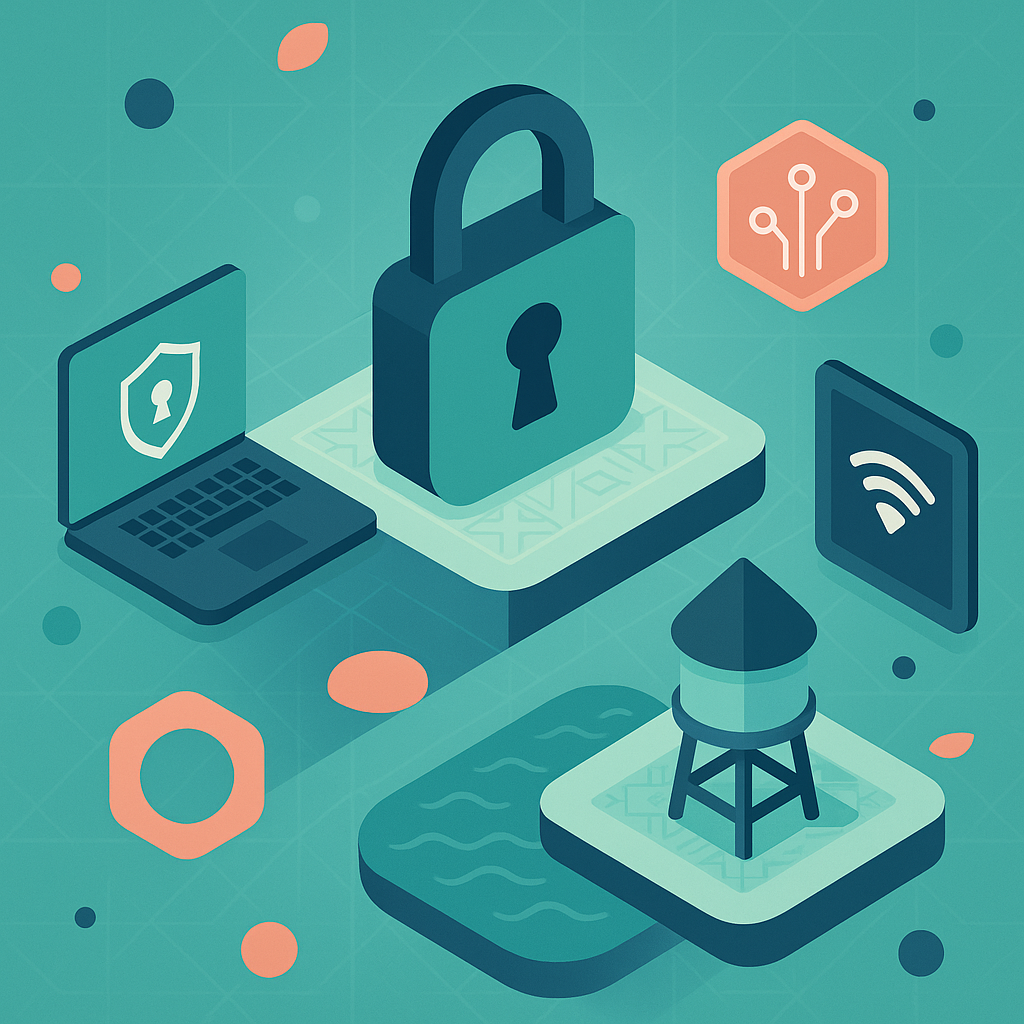
Digitalisation is reshaping water utilities across the Middle East and North Africa (MENA), bringing real‑time monitoring, smart distribution and digital twins to desalination plants, transmission networks and treatment facilities — but also expanding the cyber‑attack surface of already fragile systems. Utilities are deploying Supervisory Control and Data Acquisition (SCADA) platforms, Internet of Things (IoT) sensors and AI‑driven models that control pumps, valves and chemical dosing, creating new operational‑technology (OT) vectors for criminal and state‑aligned actors to exploit.
"Digitalization is transforming how water utilities in the Middle East and North Africa plan, treat, and deliver water, but it is also widening the cyber‑attack surface of already fragile systems," writes Ruben Vermeer, highlighting that cybersecurity must be treated as core to water security rather than an optional add‑on.
SCADA and other OT systems, originally designed for reliability not security, are increasingly connected to corporate IT networks and cloud platforms for convenience and efficiency. That connectivity makes legacy protocols lacking authentication or encryption attractive targets: attackers can manipulate chemical set points, disable pumps or feed corrupted sensor data into digital twins and forecasting models. Cheap, low‑power IoT endpoints such as remote terminal units and smart meters multiply potential entry points and can be coopted into botnets or denial‑of‑service campaigns.
Key vulnerabilities and recommended measures
- Legacy SCADA protocols with no authentication or encryption remain widespread and expose critical control logic.
- Flat network architectures often lack segmentation between IT and OT, enabling lateral movement once a perimeter is breached.
- Many utilities operate with small IT teams and limited dedicated cybersecurity staff, slowing patching and incident response cycles.
- Digital twins and AI models introduce data‑integrity risks: adversarial manipulation of inputs can produce unsafe operating decisions if models are not protected.
Technical mitigations stressed in industry guidance include robust network segmentation, strict remote‑access controls, continuous monitoring of both network traffic and process data, and adoption of industrial security standards such as IEC 62443. Vermeer emphasises comprehensive asset inventories and incident response plans that define roles and recovery procedures: "Comprehensive asset inventories, including all OT and IoT devices, are crucial to understanding where vulnerabilities lie and which systems are truly critical."
Research cited in the sector points to both the promise and perils of advanced analytics. Studies on "digital twin‑driven intrusion detection" show potential for model‑level anomaly detection, but other work on "adversarial attacks on AI‑driven water forecasting" warns that twins must be designed and hardened from the outset. Industry and research organisations named in related literature include GEÓ, Oliver Wyman, nFlo, Scenario, Oxmaint and academic preprints on ArXiv; U.S. EPA case studies and commentary from the Middle East Institute are also referenced for operational lessons.
Outlook
Regulators and regional cooperation will be pivotal. Minimum cybersecurity requirements for critical water infrastructure, harmonised standards across shared basins, and shared threat‑intelligence platforms can help prioritise scarce resources and raise baseline resilience. As MENA utilities continue to digitalise — from smart meters to full system twins — treating cybersecurity as operational risk backed by senior leadership and stable budgets will determine whether digital tools strengthen or undermine water security across the region.
Related Startups
nFlo
Research/analytics organisation cited for work related to water sector analytics and security.
Scenario
Industry/research organisation referenced in literature on digital-twin and water security topics.
Oxmaint
Named organisation in related literature on industrial/operational security for utilities.
GEÓ
Organisation mentioned among industry and research groups in the sector.
Oliver Wyman
Global consultancy referenced for sector analysis and guidance.
Fanack Water
Publisher of the article covering water policy, technology and security in MENA.
Related Founders
Stay in the loop
Join our weekly newsletter and get the latest MENA startup news, funding rounds, and insights delivered straight to your inbox.