Biotechnology and AI Reshape Medicine Development Across the UAE and Beyond — Arabian Post How Biotech and AI Reshape Medicine Development
The UAE is investing heavily in biotechnology and AI to accelerate drug discovery, genomic medicine and health‑tech research, leveraging national programmes, public‑private partnerships and international collaborations. Computational tools (ML, generative AI, protein prediction) are being integrated with wet‑lab science to shorten timelines and target therapies, while regulators emphasise ethics, transparency and human oversight.
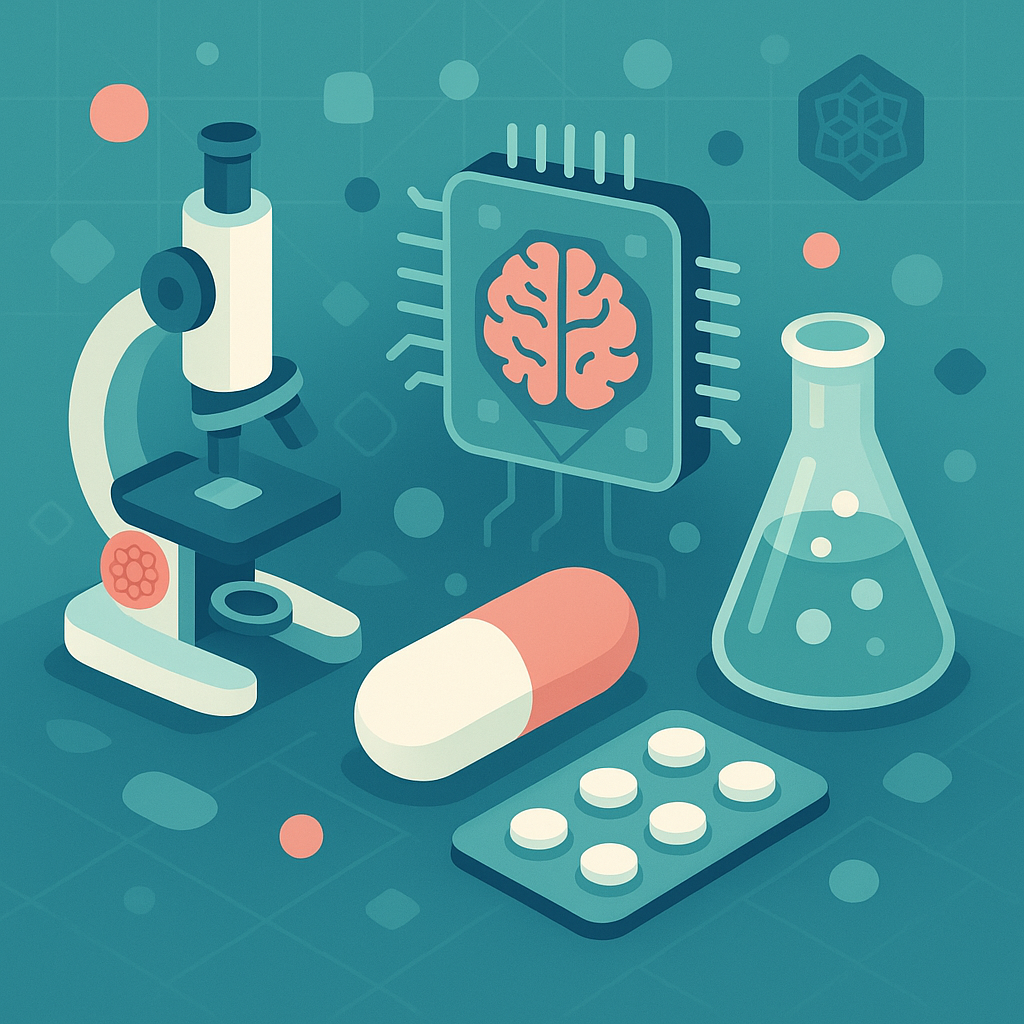
The global race to develop new medicines is entering a new phase, and the United Arab Emirates is positioning itself as a significant investor in that transformation. Abu Dhabi and Dubai have expanded initiatives to encourage pharmaceutical research, health technology startups and collaborations with international research institutions, while national programmes such as the National Genome Strategy and bodies including the Emirates Genome Council are driving genomic and precision‑medicine priorities.
"AI is changing that equation by helping researchers analyze vast biological datasets, predict how molecules may behave, and identify promising drug targets far more efficiently than traditional methods," experts say, underscoring the role of artificial intelligence in accelerating drug discovery.
That shift is already visible in several practical trends. Machine learning and generative AI tools can screen millions of molecular structures and generate predictions that help researchers prioritise candidates before costly laboratory and clinical testing. Biotechnology companies are pairing computation with wet‑lab science to improve understanding of protein structures, genetic mutations and disease mechanisms — work that can enable more targeted therapies for cancer, infectious diseases, neurological disorders and rare genetic conditions.
Public and private investments in the UAE are shaping an ecosystem where biotechnology and AI develop side by side. The country’s modern healthcare infrastructure, strong digital connectivity and government support for emerging technologies make it attractive for research partnerships and biotechnology manufacturing. The National Genome Strategy and the Emirates Genome Council are explicit examples of national ambitions to expand genomic medicine and population‑specific genetic studies, which officials expect will help identify regional disease risks and support tailored diagnostics and treatments.
- Regulatory scrutiny and ethics: Regulators in the UAE and internationally are increasingly focused on how AI‑generated research should be evaluated, with transparency, data quality, algorithmic bias and patient privacy identified as central concerns.
- Human oversight: Experts emphasise that AI supports rather than replaces laboratory science and clinical trials — physicians, biologists, chemists and regulatory specialists remain essential for interpreting results and making clinical decisions.
- Clinical impact: Patients are likely to see earlier benefits in faster diagnostic tools, more targeted cancer therapies, improved chronic disease management and more efficient clinical trials as AI shortens research cycles and identifies failed candidates sooner.
The UAE’s participation in international research networks is accelerating as computational biology and biotechnology manufacturing capacity become global priorities. Large language models, advanced protein‑prediction systems and generative AI are being used by researchers worldwide to design molecules, analyse scientific literature and optimise trial strategies. Even technology companies active in adjacent AI markets, including Google with recent expansions to its Gemini models, are influencing how computational tools are applied to life sciences.
Looking ahead, the convergence of biotechnology and AI in the UAE is likely to produce incremental changes rather than overnight revolutions. Faster candidate screening and improved genomic insights should reduce timelines and costs over time, but rigorous testing and regulatory validation will remain essential. Continued investment in genomic medicine, digital health infrastructure and international collaborations will determine whether the UAE evolves from a consumer of medical innovation to a substantive contributor to next‑generation drug development.
Stay in the loop
Join our weekly newsletter and get the latest MENA startup news, funding rounds, and insights delivered straight to your inbox.