Asia's wealthy families reconsider Dubai investments amid Israel-Iran war
Asia's wealthiest families are reassessing their investments and relocation plans in Dubai due to the escalating Iran war.
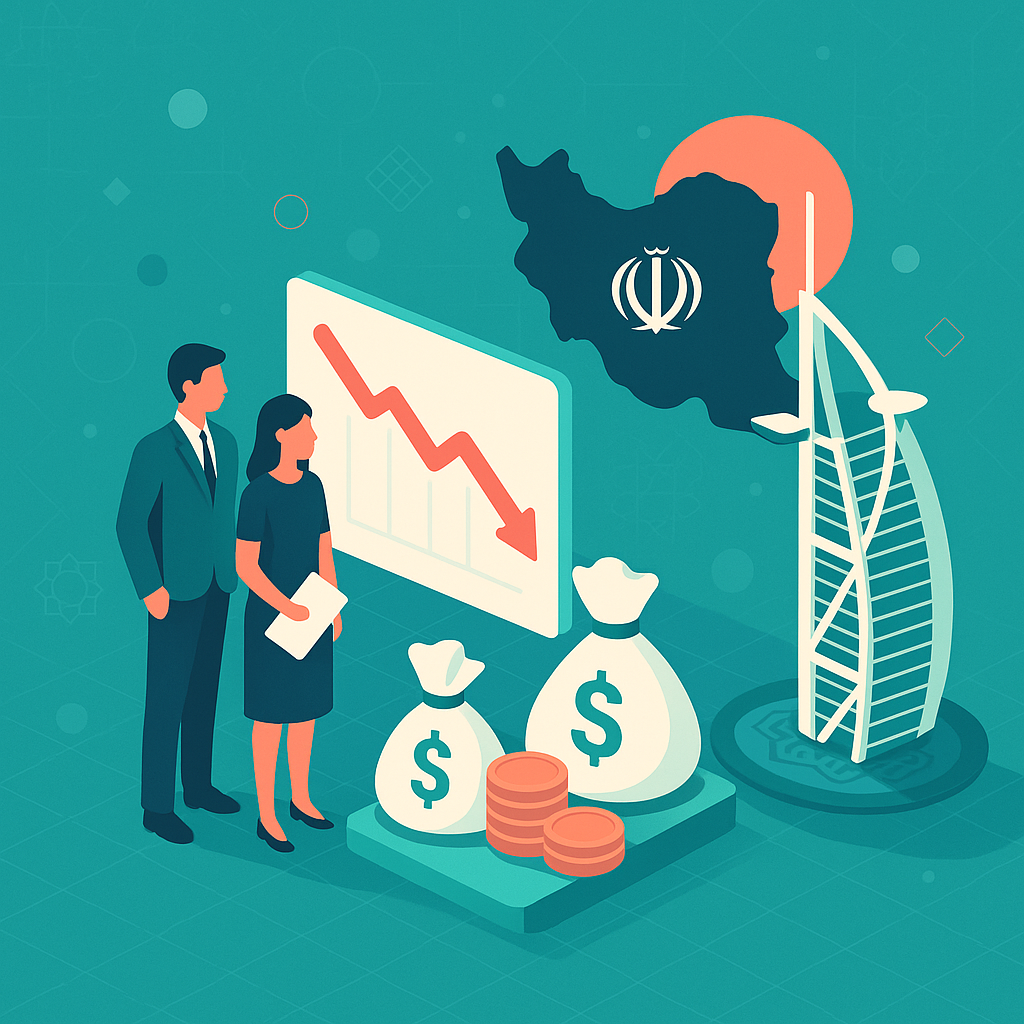
Asia’s wealthiest families and their advisers are reassessing investments and relocation plans in Dubai as the conflict between Israel, Iran and their wider regional impacts intensifies. Wealth managers in Hong Kong report a surge of clients asking how to delay moves or reduce exposure to the UAE after renewed attacks on states including Saudi Arabia and Bahrain. Some families have even chartered private jets at steep cost to leave, underscoring the immediacy of their concern.
Direct quotes from advisers and industry figures
Nick Xiao, CEO of Hong Kong-based multi-family office Annum Capital, said Asian investors who had moved to the Middle East for investment opportunities and tax advantages "are now reconsidering their decisions." Felix Lai, principal of Hong Kong-based multi-family office JMS Group, described the moment bluntly: "it's a wake-up call." Patrick Tsang, founder of the Ambassadors Club in Hong Kong, warned that "the city's reputation could take a hit" if the conflict is prolonged.
These comments come as global wealth flows into the UAE remain substantial even amid the crisis. Boston Consulting Group estimated roughly $700 billion of overseas investors’ assets were booked in the UAE in 2024. Asian money has played a meaningful role: about a quarter of the more than 2,270 foundations established in the UAE have Asian ownership, according to the same reporting.
Context and detail
Advisers say the shock to confidence is practical as well as emotional. Many wealthy families who relocated to Dubai in recent years cited investment opportunities and tax advantages as primary motivations; with the security picture altered, some are actively discussing rerouting capital back to traditional Asian hubs such as Hong Kong or Singapore.
- Advisers report clients contacting multi-family offices to delay or scale back relocation plans.
- Some families have spent sizable sums on private aviation to exit the region quickly after incidents such as hearing explosions or observing drones being intercepted in the skies above the Gulf.
- Despite these outflows, the UAE still shows significant booked offshore assets, illustrating a split between headline concerns and the underlying scale of financial activity.
Patrick Tsang drew a parallel with past episodes of rapid expatriate departure, noting the potential for reputational damage if the fighting drags on — a dynamic that could prompt some foreign residents to leave, similar to departures from Hong Kong after pro-democracy unrest years earlier.
Outlook
Market participants remain divided on how persistent the impact will be. While advisers such as Nick Xiao and Felix Lai describe an immediate reassessment among clients, some investors and residents point to the UAE’s infrastructure and governance as factors that should allow a recovery once hostilities subside. For now, however, the combination of military escalation and visible incidents in the skies is prompting tangible, costly moves by some of Asia’s wealthiest families as they weigh whether Dubai remains the safe haven it once was.
Stay in the loop
Join our weekly newsletter and get the latest MENA startup news, funding rounds, and insights delivered straight to your inbox.