Abu Dhabi’s AI Supercomputer Just Outpaced Europe—Here’s Why It Matters
I was shocked to learn that Abu Dhabi has subtly outperformed much of Europe in terms of AI-ready computing power. It was not incredulity, but the realization
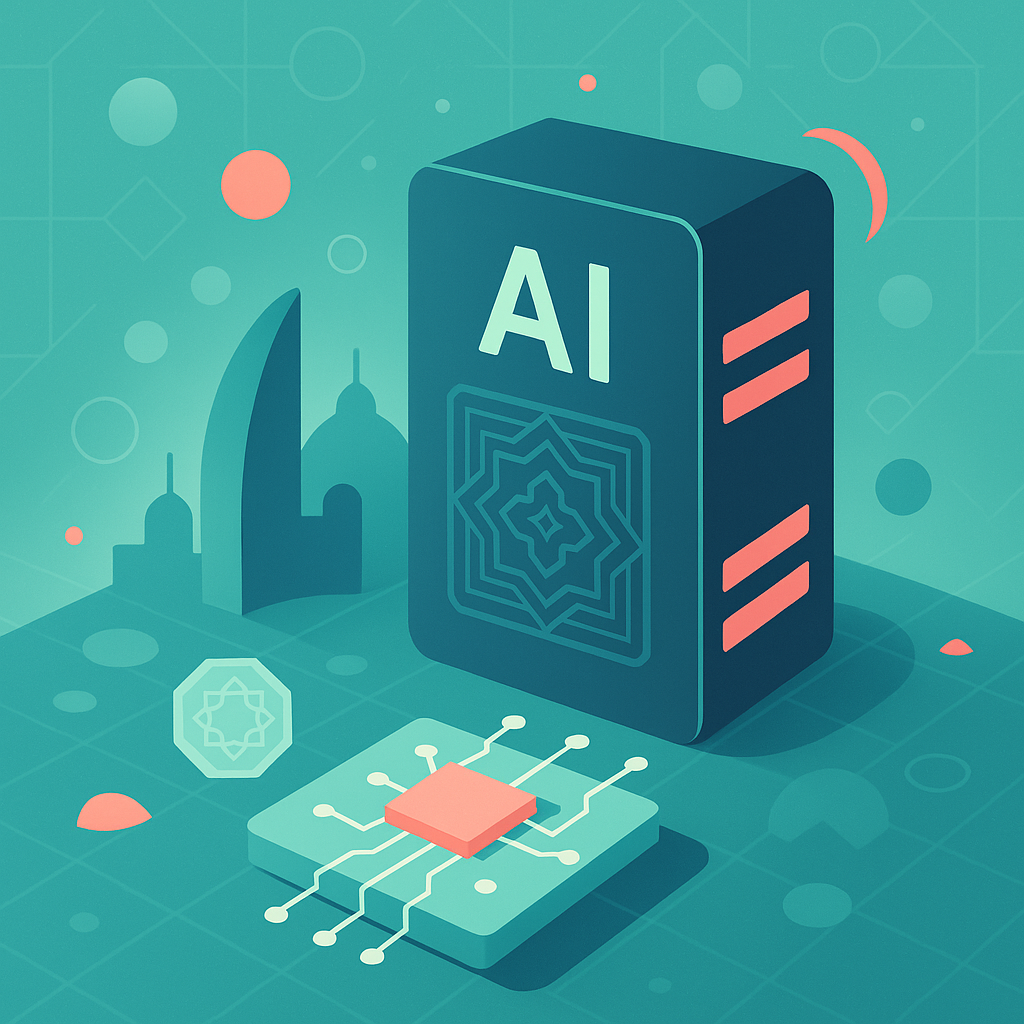
Abu Dhabi has quietly established AI-ready computing capacity that now outpaces much of Europe, driven by gigawatt-scale data‑centre projects and strategic industry partnerships. Companies such as G42 have led a rapid buildout that the source describes as "gigawatt‑scale capacity in a fraction of the time required in most Western countries." The emirate’s AI sector expanded by roughly 61% from mid‑2023 to mid‑2024, and strategic partners on the infrastructure and software side include Nvidia, Microsoft, OpenAI, Oracle and SoftBank. Locally developed Falcon models have been trained on these superclusters, narrowing performance gaps with models like LLaMA and Mistral.
“their most recent language model completed pretraining two months ahead of schedule,” said a data scientist from the United Arab Emirates during a panel last spring, according to reporting. That anecdote was offered without fanfare, but it captures the impact abundant compute has had on development timelines in the emirate.
Context and details
The advantage Abu Dhabi has established rests on three linked elements: energy, policy and speed of deployment. The report notes that projects now total "multiple gigawatts of data‑center energy use," leveraging abundant and stable energy resources derived from oil and gas revenue. Where European projects often run into "old energy grids, bureaucratic snags, and popular resistance," Abu Dhabi has moved quickly—sometimes described in the piece as creating a "data tunnel across the desert"—to deliver capacity.
Microsoft’s collaboration with G42, the article notes, was influenced by geographic location, latency benefits and access to dependable infrastructure, rather than by incentives alone. The emirate has also signalled a broader strategy of reinvesting energy earnings into computation: "The same barrel that used to power automobiles is now used to power algorithms," the source writes, pointing to a deliberate shift from consumption to computational optionality.
- Location: Abu Dhabi, United Arab Emirates
- Initiative: Massive AI‑ready infrastructure expansion led by companies like G42
- Power capacity: Projects totaling multiple gigawatts
- AI sector growth: ~61% from mid‑2023 to mid‑2024
- Strategic partnerships: Nvidia, Microsoft, OpenAI, Oracle, SoftBank
- Indigenous capability: Falcon models developed locally
The article also highlights the less visible but important effects of infrastructure: faster pretraining timelines, a feedback loop that links compute to talent and investment (observed elsewhere in South Korea and Singapore), and the emergence of Abu Dhabi as a regional compute hub where companies and researchers can find power, high‑end chips and fewer bottlenecks to train large models.
Outlook
Despite momentum, the piece warns of remaining challenges at scale: data sovereignty, model transparency and equitable access. Abu Dhabi appears to be positioning itself for "moderate rather than aggressive participation," incorporating talent exchange programmes and governance rules into partnerships. A U.S. analyst reportedly dismissed the jump as a "regional footnote" on Bloomberg, but the article argues that assessment is already stale—what was once an economy defined by steel and oil is increasingly defined by code and computation, shifting the axis of innovation in the region.
Stay in the loop
Join our weekly newsletter and get the latest MENA startup news, funding rounds, and insights delivered straight to your inbox.